

When you get to the point of choosing the lenses there’s the main question. What lens to choose? Of course, you want to cover most of the focal lengths to be able to take pictures everywhere and of anything. If you’re new to photography and it’s your hobby, then most probably you don’t need to have all the available focal lengths. Just get the best prime lens for your needs and it will serve you well.
I will tell you more in detail about what lens exactly you need. Here it depends on the type of photography you like. If you do wildlife photography then you actually need a zoom lens. Otherwise, in most cases, you won’t need anything but a prime lens. There are a lot of advantages that prime lenses have but the most important is faster learning. If you want to learn photography – try using only fixed lenses.
This is one of my main tips for improving your photography skills overall
The lenses I use
I use prime lenses myself. Currently, I have a 50mm prime that I mostly use for portrait photography but want to switch to 35mm. For instance, I did that portrait photoshoot on the 50mm lens.


And I also have Ricoh GR IIIx which has a 40mm equivalent lens and that’s the only focal length you can use on that camera. In this article, I will describe the benefits of using prime lenses and will help to choose the best prime lens for your needs
Why zoom lenses are bad for your learning?
Creativity is about limitations. If you have a zoom lens it’s harder to create something interesting unless you’re a master. When you can zoom in or out you don’t have any fixed frame in which you put your subject. With a zoom lens, it’s harder to compose your photos. zoom lenses make you think less when taking pictures. You don’t need to walk or try to adjust the angle since you can simply zoom in. They are also more expensive and less sharp
The best advantages of prime lenses
- Cheaper. To get the same quality zoom lens you would have to pay much more.
- Sharper. Most of the prime lenses are significantly sharper.
- Smaller in size and Lighter. It’s probably one of the most important features since sometimes it might make you take more pictures. If your camera with the lens is about 2kg you might get tired to carry that weight with you all the time.
- Prime lenses make you walk more. While walking toward the object you are seeing the subject from every possible angle.
- Learn a certain focal length. It’s very convenient when you know exactly what your image would look like even before seeing the scene through the viewfinder. And if you use the same focal length all the time, you will start to visualise your photos in that specific frame. You will walk on the street seeing the possibilities and knowing how to depict the object that you would like to show.
- Faster lenses. These lenses can have larger maximum aperture like lenses with f1.2 for example
- More reliable. They might serve you longer because they are simpler and have fewer lenses.
Best lenses for learning subject-based photography
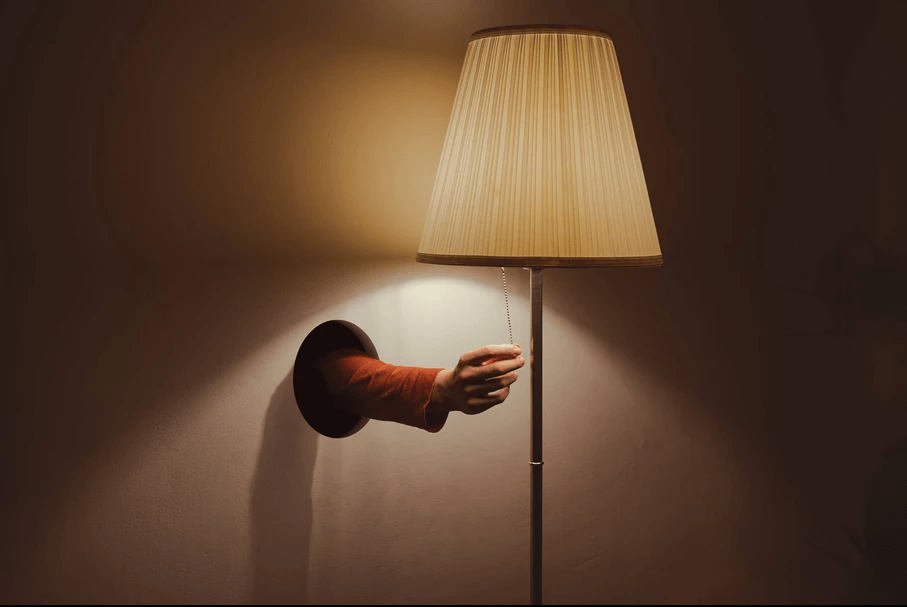
(The focal length I mention in this article is for full-frame cameras if you have an APS-C sensor then search for the equivalent for cropped sensor they are usually multiplied by 1.6)
If you want to create beautiful photos you would need to learn how to compose them. The prime lenses help to master photography composition faster. The advantage fixed lenses give you is that you look in the viewfinder and you see the same focal length. And with a fixed lens, it’s constantly the same. So that way you learn to compose all the objects you want to photograph in this particular frame. So if your shot is broad (capturing the whole landscape for instance) there should be a very little amount of detail. And if there are a lot of them you will have to come closer to your subject. Or crop out unneeded details.
It surely makes you learn faster because it makes you look at everything from different angles. Since you can’t just zoom in on your subject when composing a photo, you have to walk towards it. This makes you look at it from a new perspective. Doing so, I sometimes even discover a whole new way of shooting the thing that initially caught my eye.
Using prime lenses helped me to greatly improve my understanding of composition when I was starting out.
Best prime lens for learning portrait photography
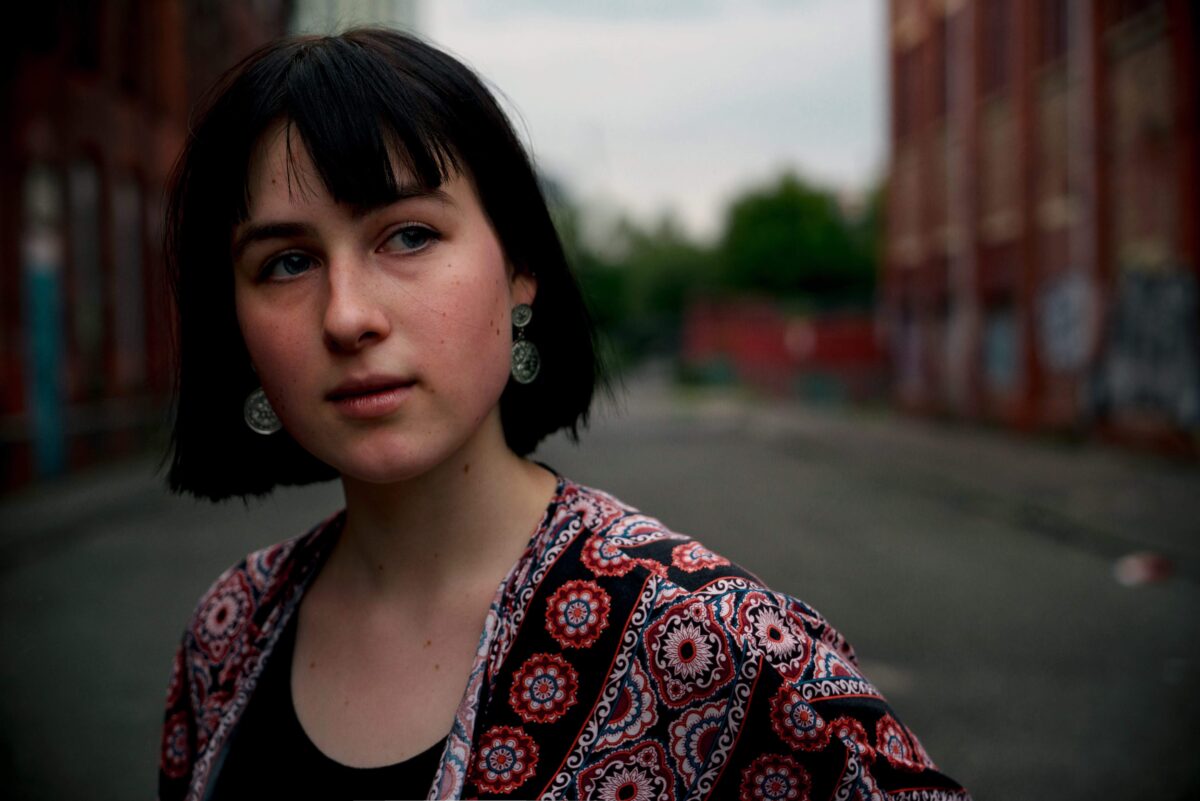
In portrait photography it’s especially important to separate your subject from the background and to do so you can either choose a neutral background or open the aperture and blur it out. With a bigger focal length, it’s easier to focus the viewer’s attention on the model. So for portraits, I would recommend 50-80mm prime lenses. Of course, it all applies if you’re a beginner because you can also use wide-angle lenses for some of the portrait work (I find it a lot harder) then you have to carefully choose every background on which you take the pictures and I would only recommend that if you can masterly compose your frame.
My choice is 50mm
Best prime lens for learning street photography
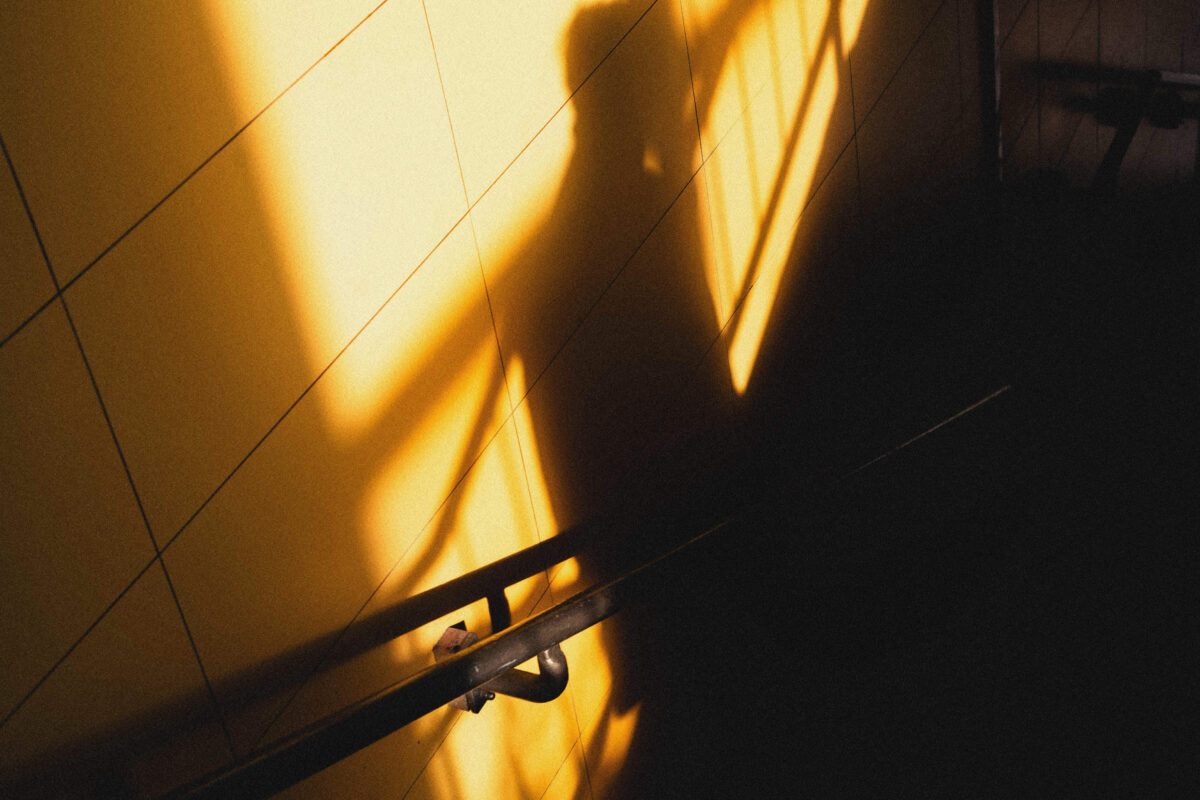
Here it depends on your style. Because some people are more into photographing parts of buildings or architectural details or else, and others are more interested in the life on the streets and the atmosphere overall. For all of the detail shots, it’s obviously better to have a 50mm lens. But most people also want to show the atmosphere and surroundings and the life. For that, I would recommend wider lenses. 35mm lens would be perfect. You can also compensate for that a bit with the bigger number of megapixels, for instance, I can crop a picture, taken on my 42mp camera a lot without any visible change. But you should always try to compose your frame so you wouldn’t need to crop it later.
My choice is 35mm
Best prime lens for event photography
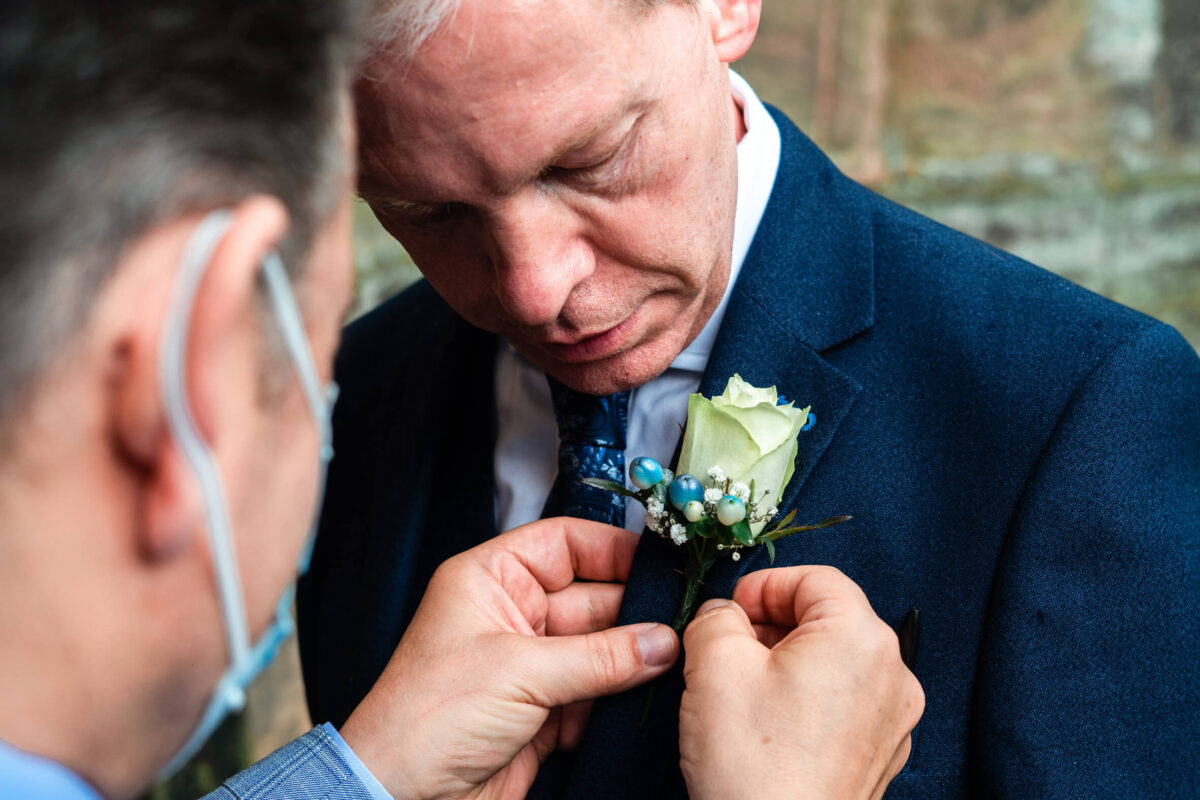
At the events, you need to capture a lot of things and very often in tiny spaces and when a lot of things going on around you, you need to be quick. So it’s hard to say, possibly zoom lens for event photography is not a bad choice. But I know some photographers who are doing a great job with mostly prime lenses. And their works much better than the majority of the event and wedding photography market
My choice is between 28mm and 35mm
Best lens for landscape photography
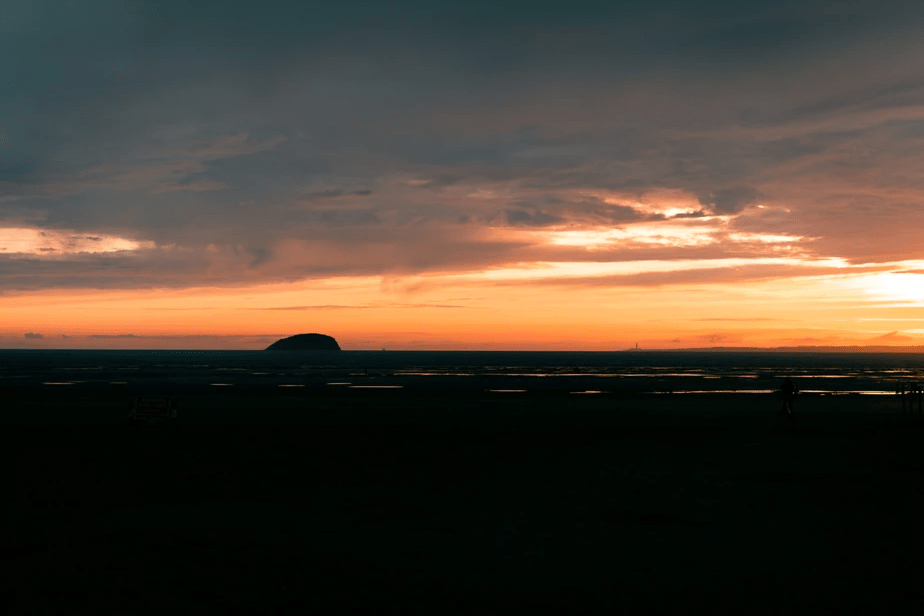
If your sole passion is photographing landscapes you can get a 24mm lens, it’s really wide and you will be able to make pretty and descriptive landscapes. The downside is that 24mm is really wide and it’s very hard to do any subject-based photography with that. Since all the time everything is in the frame and there are too many details in the frame. 24mm is similar to what we see with our eyes. So with a 24mm prime lens for landscape photography, you would have to compose the frames to definitely focus the viewer’s attention on a single object. And that’s a harder thing to do with wide lenses. 28mm might be a bit too narrow in some cases but you can use it in more different settings and locations.
My choice is between 24mm and 28mm
Best prime lens for everyday photography

Again here it depends on what you like to photograph. 28mm for many people is way too wide but if you’re very confident then you can use that. The wider lens – the less separation between your subject and the background. So you will have to come closer and think more about how to hide unneeded details. Since I personally prefer a bit flatter images, I would choose something closer to 35mm. I think with this lens you can capture everything you need.
My choice is between 28mm and 55mm
Prime lenses will help your photography thrive
So if you’re planning to buy a prime lens, go ahead and switch to prime. For learning photography, it will be your best choice. You will be engaged more in the creative process because it’s more challenging but also more interesting and rewarding to do photography with a prime lens. Because of these limitations, you will think more about composing the subjects in the frame, instead of just capturing them. Prime lenses make you walk closer or further from the subject and you look at it at many different angles. Zoom lenses allow you to stand still at one spot and photograph anything at a distance from 2 meters far to 50 meters far from your subject. They make you work less and make you think less, so that way you will learn slower.
I hope you found this post helpful. If you did, please consider subscribing to my newsletter which will help you to improve your photo skills. In the newsletter, I send notifications about new posts and photography tutorials and sometimes updates about my photography projects.
[yikes-mailchimp form=”1″]

Comments are closed.