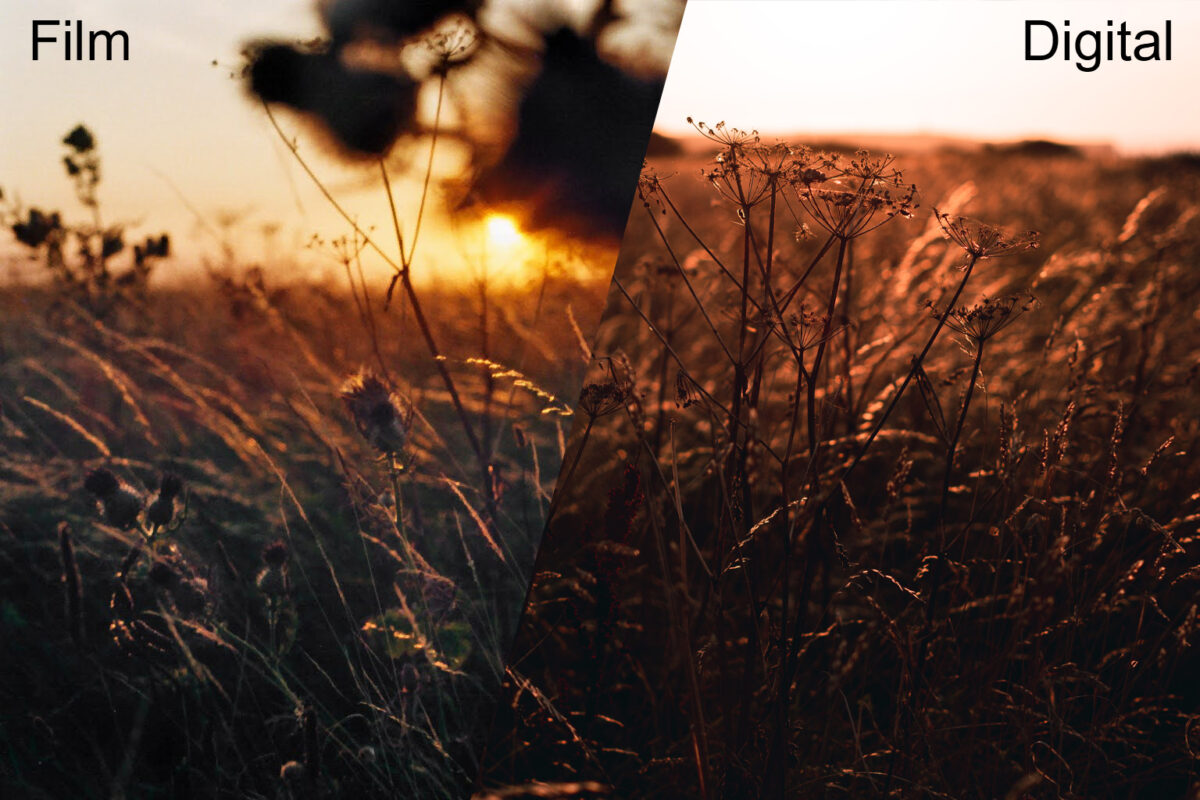
It’s a very common question about what kind of photography to choose. Film and digital photography both have advantages and disadvantages. You possibly have to try both to get a better understanding of what suits your needs better I have 4 cameras and I’ve been doing all kinds of photography like a polaroid, digital, 35mm film, 120mm film etc. But I mostly focus on digital photography since it gives me more power to manipulate the shots that I take.
In this blog post, I want to focus on the benefits of both types of photography and help you choose the best type of photography for you.
Film photography
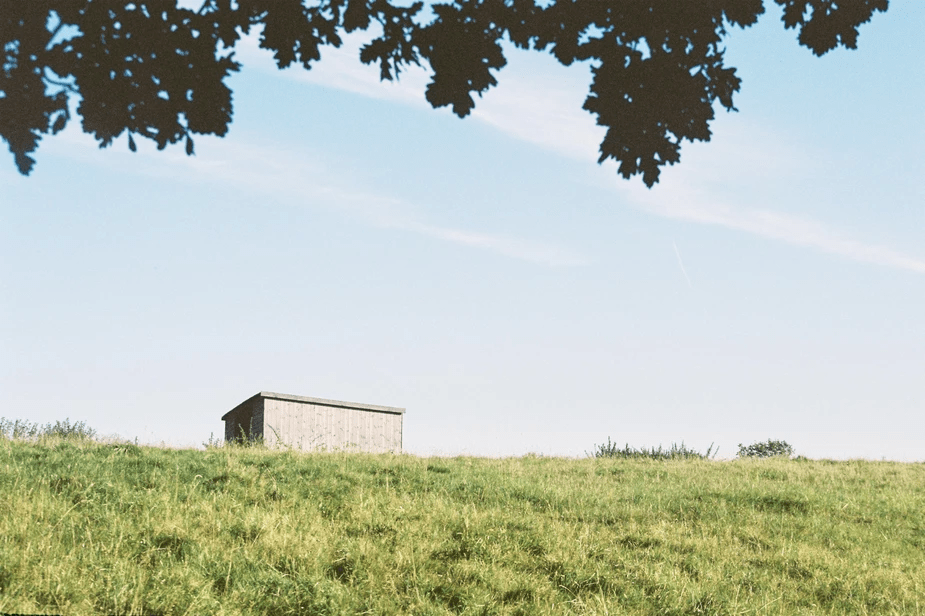
Here I want to get an overview of film photography and look closer at the advantages and disadvantages it gives you.
Advantages
- Many people think that it’s more artistic and that’s true. It’s more artistic. After all, it gives you more restrictions and your photos are already heavily stylised because it shot on film.
- You don’t need to recharge the camera. Some film cameras require batteries but you only need to change them once every few months or even years depending on how often you shoot
- Makes you think before taking a picture. Since you have a very limited number of shots you need to think if the photograph you are going to take is worth it. It might speed up your learning process
- Has a wider dynamic range. It allows you to capture more natural-looking photographs since all the colours and details in the shadows/highlights are better preserved
- Has bigger available formats. If you’re going for medium formats to get even better quality photographs you can find really big format films. It will help you to get photographs that are looking outstanding. Since they have less distortion due to the bigger format.
- Cheaper cameras. If you don’t have a big budget but want to try – the prices for the cameras start from some 10-30€ and you can start taking pictures by investing about 20-50 euros into your first roll.
Disadvantages
- It’s expensive in the long run. Lately, it’s got very trendy and now the film costs about 3 times more expensive than a few years ago. Add the costs of development and one roll of 35mm film will cost you at least 20€ and up to about 60€ depending on the type of the film. 120mm film will cost you the same but for 12 shots instead of 36. You can develop it at home but then you will have to shoot very regularly since the liquids expire within a few months.
- You can’t edit it much. Once you’ve taken a picture and then developed the roll you can’t manipulate this photograph a lot. Of course, you can change the colours and fix the lighting but only very little. So if your image is quite overexposed or underexposed – you will not be able to fix it.
- Harder to take pictures. You will need to make sure to learn how to set the exposure properly and what shutter speed to use and so on it’s harder to do film photography for a beginner.
- Can’t change the film roll at any moment. If you are travelling and it got dark and you have 100ISO film in the camera then you won’t be able to take pictures in the evening.
- Makes you take much fewer photos. It’s partially bound to the first point. Since it’s quite costly, you have to think before taking pictures. Sometimes I could wander around for the whole day and take 1-2 photographs because I often think that it’s not worth it.
Digital photography

This is probably a more practical choice between film and digital photography. Now let’s look closer at digital photography. Right now it’s the most commonly used and here are some reasons why.
Advantages
- Cheaper in the long run. With the modern cameras, you can make 500000 shots or even more (if you’re using an electronic shutter). The same number of shots made on film will cost you about the same money as buying a 1 room apartment in Berlin.
- Makes you take more photos, hence learning faster. If you pay attention to how you take photos and think of every shot. The best camera to learn photography is the one you have with you. That’s why it’s better to get a camera on which you will be able to take more photographs without thinking about how costly it is.
- More compact cameras are available. Again it makes you take more pictures. Since DSLR cameras became outdated, the smaller mirrorless cameras are now on the market and you can get pocketable professional cameras that are lightweight and easy to carry with you all the time.
- You can edit the photographs any way you want. The raw format allows you to change the hues and lightness and saturation of every colour. You can stylise the photos or fix almost any mistakes that you probably did while shooting.
- Previews of the photos available in the camera. That might also help you to take better pictures. When you have the preview you can continue taking pictures until you find the best angle and take a really great picture.
Disadvantages
- Fewer restrictions. When you’re starting out you need to learn how different settings work and you need to focus on learning how to use each of them. In this case, it’s probably better to have a film camera with manual focus on the lens, and fixed ISO so you would only need to change shutter speed and aperture.
- Need to recharge. The modern cameras die quickly and you need to get some extra batteries for them. For me, it never was a problem since I have a number of batteries. I always carry them with me and that’s enough to use the camera for a couple of days.
- The worse dynamic range on older models. When I had Canon 60d which is old but still ok, the colours weren’t very editable. Due to the lower dynamic range and overall quality the pictures looked less appealing. New models are more expensive but they have about the same dynamic range as the film cameras.
- You need to learn how to edit the photos. What I like about my Sony camera is that I get very average and pale raw files. So I can edit them in any way I want. But it takes years to learn how to edit the photos. You need to learn photography overall to edit the pictures better. You need to understand the values and colours at a high level. With film photography, the colours will look nice straight after you develop them.
- Higher upfront costs. If you want to take better photos you need to get a quite good camera. A good camera will cost you at least 600€. The newer cameras have a bigger dynamic range but they are also more expensive.
- Design. Possibly the least important point. Although it’s good to have a camera that will look stylish. The camera which you will want to take with you because you like how it looks. The more you carry the camera and take pictures the better you get at photography. In my opinion, the new cameras are looking a lot worse than film cameras.
Make your film and digital photography choice

So when thinking of what type of photography to choose, take in mind that film photography has a unique style but now it’s trendy and expensive. Both film and digital photography have their advantages. If you shoot on film and want your style to be more unique you will have to develop the film yourself so you could manipulate the process more. Otherwise, you will have the colours and dynamic range of your film but not your own. Still, film photography can bring you a lot of joy and make you go further along your photography journey. Because of its heavy stylisation, your pictures might look more creative when you’re starting out.
With a digital camera, you can take all sorts of photos and you have fewer limits. So you need to learn to use all the features and also not overdo them. It might be easy to get overwhelmed with digital photography when you’re starting out.
You can also fake film photography when editing your digital photos but the results won’t be the same.
My film and digital photography choice
My film and digital photography choice recently shifted towards digital. Partially because within the last 3 years the film got 3 times more expensive and also because I learned how to edit the photos better. Sometimes I still edit the pictures to make them look like film photos but I also find it more important to be able to make more pictures anywhere. A digital camera allows me to use it as much as I want and not care about thinking about how many shots I have left.
Thanks a lot for reading till the end. If you enjoyed this tutorial and would like to see more, you can go to my blog section for photographers and check out many more posts. If you would like to support me you can subscribe to me on Patreon where I also have a free self learning course where I share much more info in a detailed way from basics to more complex stuff.
pin this post for later
Hover on your preferred image to see the red “Save it” button with a Pinterest logo. Clicking on it will open a new tab to pin this blog post to one of your boards.