
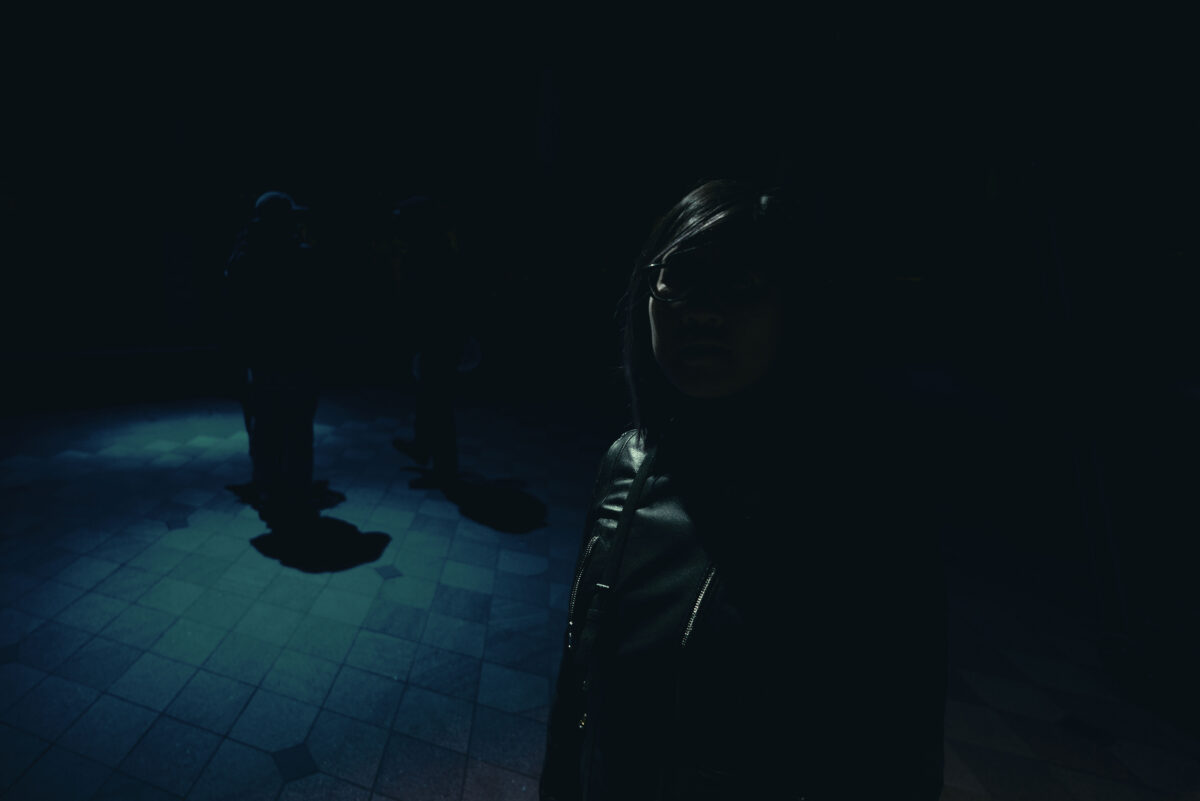
Low key photography is used widely. It’s not only about pictures of something on a black background. Only quite low-grade low-key photographs are merely showing an object on a black background. Earlier forms of art inspired Low-key photography. Back a few hundred years ago during the Baroque period, painters started using different techniques to create high-contrast and add more details to the main subjects of their paintings. The style is called chiaroscuro. I would say the whole way of creating high-contrast paintings with lighting only in the foreground was invented by Caravaggio.
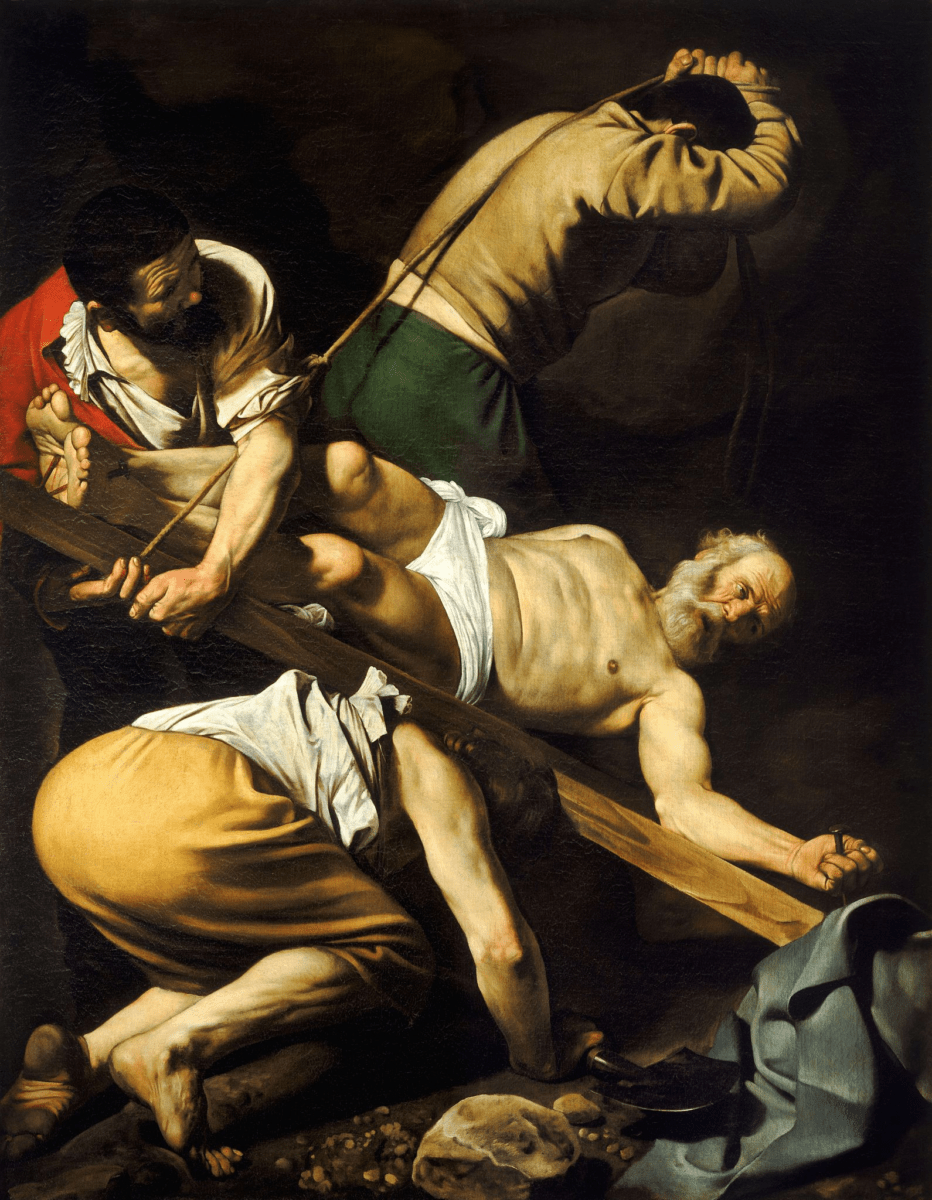
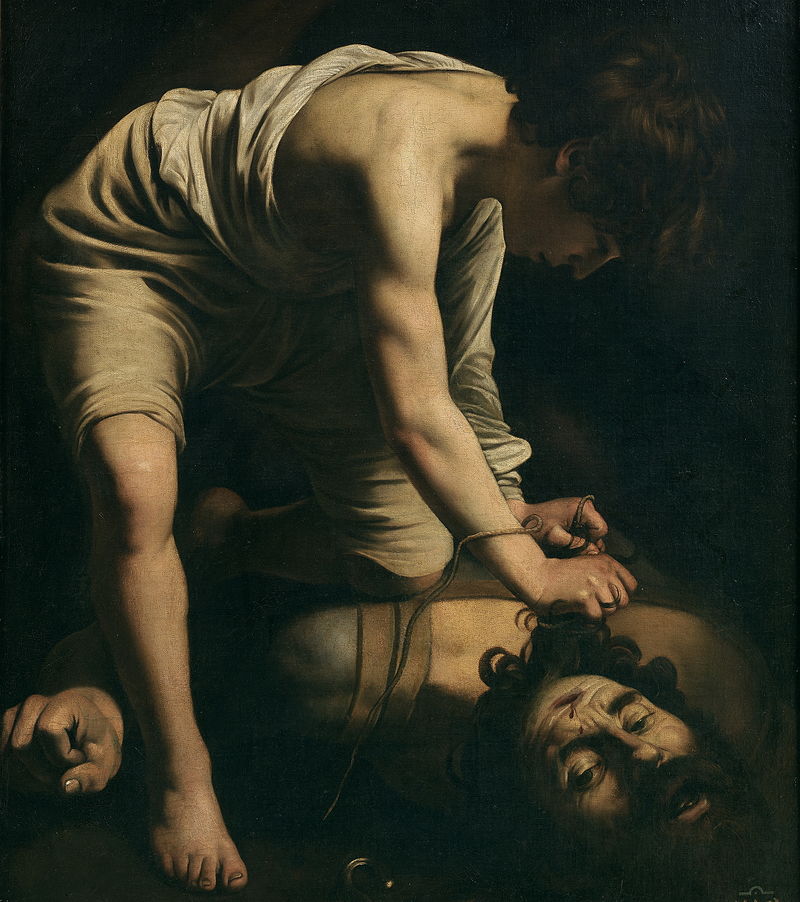
The composition was affected by the contrasting lighting and all of the shadows were blended into big dark shapes. Caravaggio influenced hundreds of painters. Using this technique with the dark shadows and background they focused most of the details on the foreground. I love low key photography because it’s also a way to focus all your attention on the main subject. You can do low key photography not only in the studio but anywhere where you can see or create a strong contrast between the focus points of your composition and the surrounding areas. Since low key photography is about having big dark areas of shadows with the minimum details in it but not only putting a subject in front of a black screen.
This guide will tell you what low key photography is, and will help you to get some insights into how to use it.
Getting to know low key photography
It’s good to learn all of the art techniques to have a greater understanding of how to create a photograph. Here I collected some information on what to pay attention to when doing low key photography
Contents
- The overview of low key photography
- The ways to do low key photography:
- With artificial light
- With natural light
- My low key photos
The overview of Low key photography, and its importance
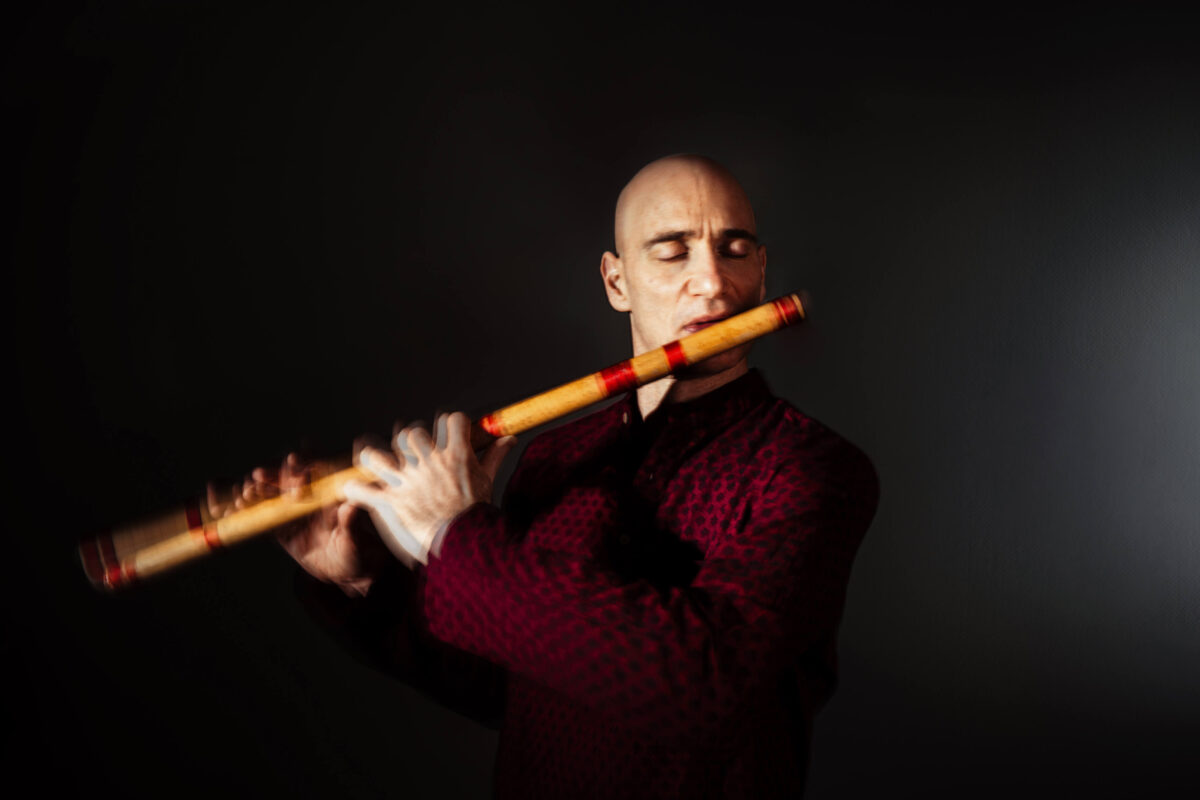
Low-key photography is the way to photograph your subjects highlighting only some parts of an image that are more important. It’s a way to add some mystery to your photograph and hide the rest of the details in the darkness.
Another type of low key photography involves using mostly black colours to show mainly the reflections of light on the black. It might look dramatic and mysterious but I think it’s too simple to make a portrait in a black outfit on a black background and then call it a day. What seems more interesting is to create photographs where darkness is a part of the composition but not only surrounding a subject in the middle.
Expose to Highlights
To do this type of photography you need to learn how to see this contrast and how to show it in your photographs. Try to also remember to keep your highlights not overexposed because they will always look unnatural. And you also need to learn how to use light as your artistic tool.
This Technique Is A Great Way To Convey Your Idea
I do not recommend doing low key photography for the sake of doing low key photography itself. Because there should always be an idea beforehand. And then the way to depict it. Otherwise, when you use the technique without a certain purpose, many people notice it straight away.
By the way, I often create something similar to low key because I had such an Idea without any aim to create images in this style.
Is It Important To Learn Low Key Photography?
Low-key photography is really important to learn since it helps to master the design of shapes (the shapes of shadows) and the ways to direct your lighting on the important parts of your image. It stylises your image more. And you can let the viewer decide what is hidden in the darkness.
How to do low key photography?
With artificial light

One of the best ways to create a strong low-key image is to highlight only the main subjects of your composition in the foreground with a flash or a lantern. You can easily achieve a detached and isolated look by creating this kind of photography. For that, you need to use strong lights and set your exposure to capture well all the details in this spot of light. In most cases, the rest of the image should appear black. Another way to create mysterious images with still objects is to use light painting. Try putting your camera on long exposure at night. Using a lantern, highlight some parts of the image that you want to be seen. To achieve the desired effect you need to keep your exposure to about -2 to -3. Very important: there should be strong contrast between the lit area and the underexposed part without light.
With natural light
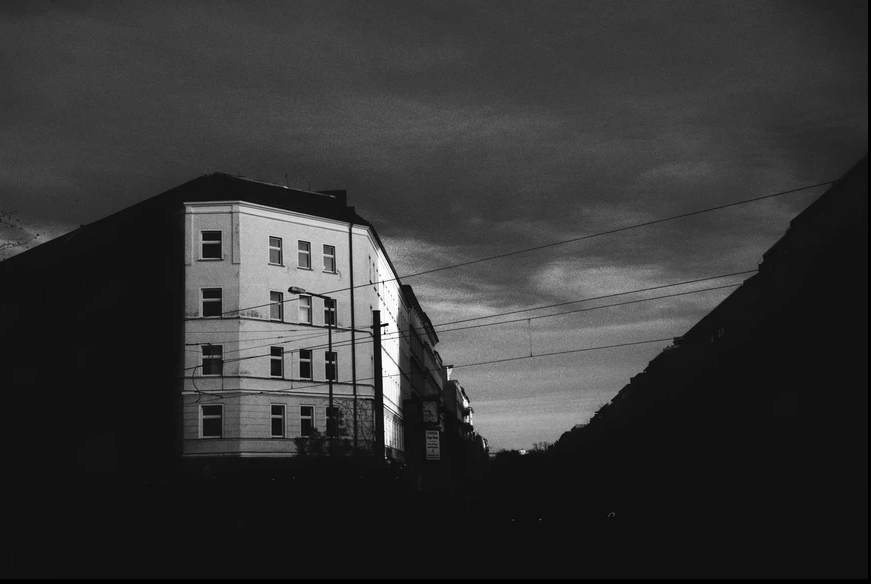
To create low-key photographs with natural light you need to search for a strong contrast between the highlights and shadows. It might be very difficult to find when the weather is cloudy. You need to walk a lot around your subject trying to find the best angle. To get more shadows in your frame
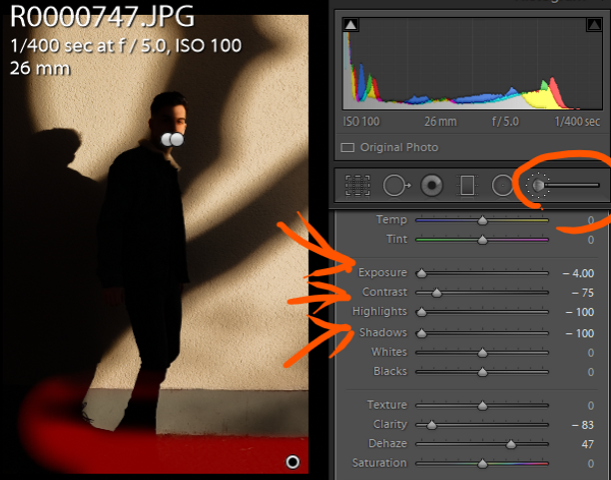
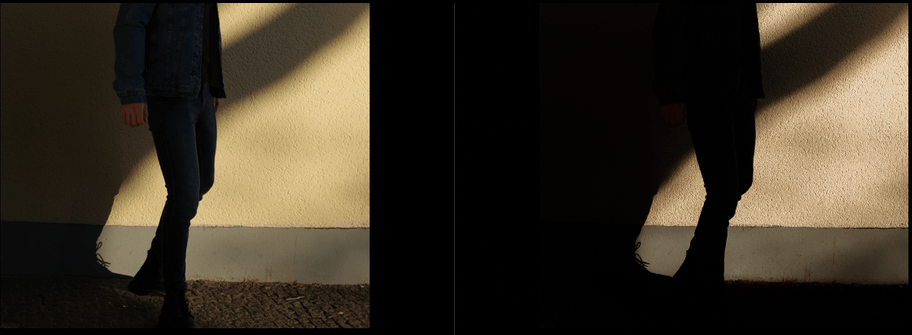
Your aim is to hide the details in the shadows. So in post-processing, you can darken them almost to pure black. To achieve that and reduce the number of details in the frame I also often move the point of black on the curves higher. That is also similar to how dark shadows appear on film if you shoot on a bright sunny day.

As well as just darkening the shadows, you can use the adjustment brush tool and blend any unneeded details with the bigger shapes of the shadows. For example, in the photograph below I had some texture on the ground that was taking away my attention. So I decided to make it the same black as the shadow on the wall and it blended perfectly.
My Low-key photographs
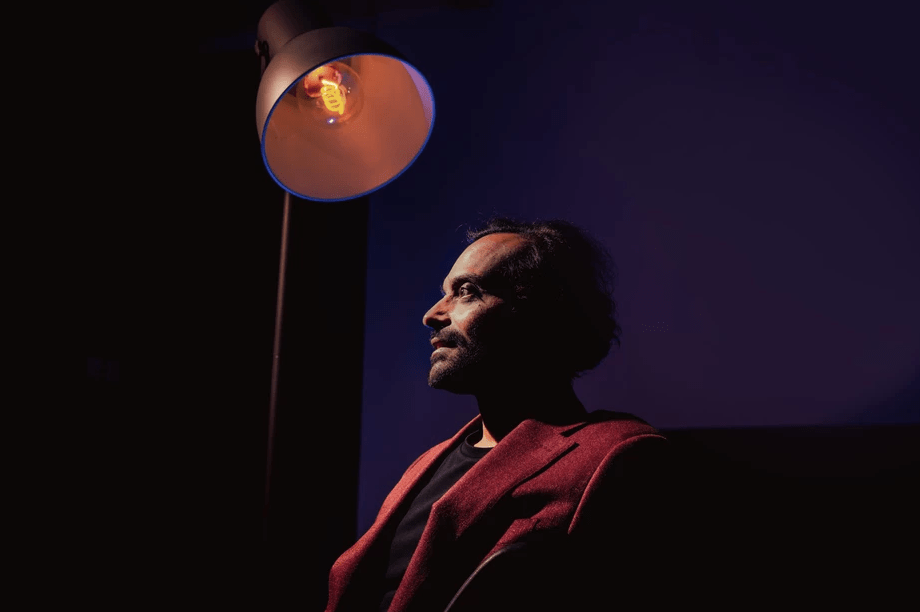
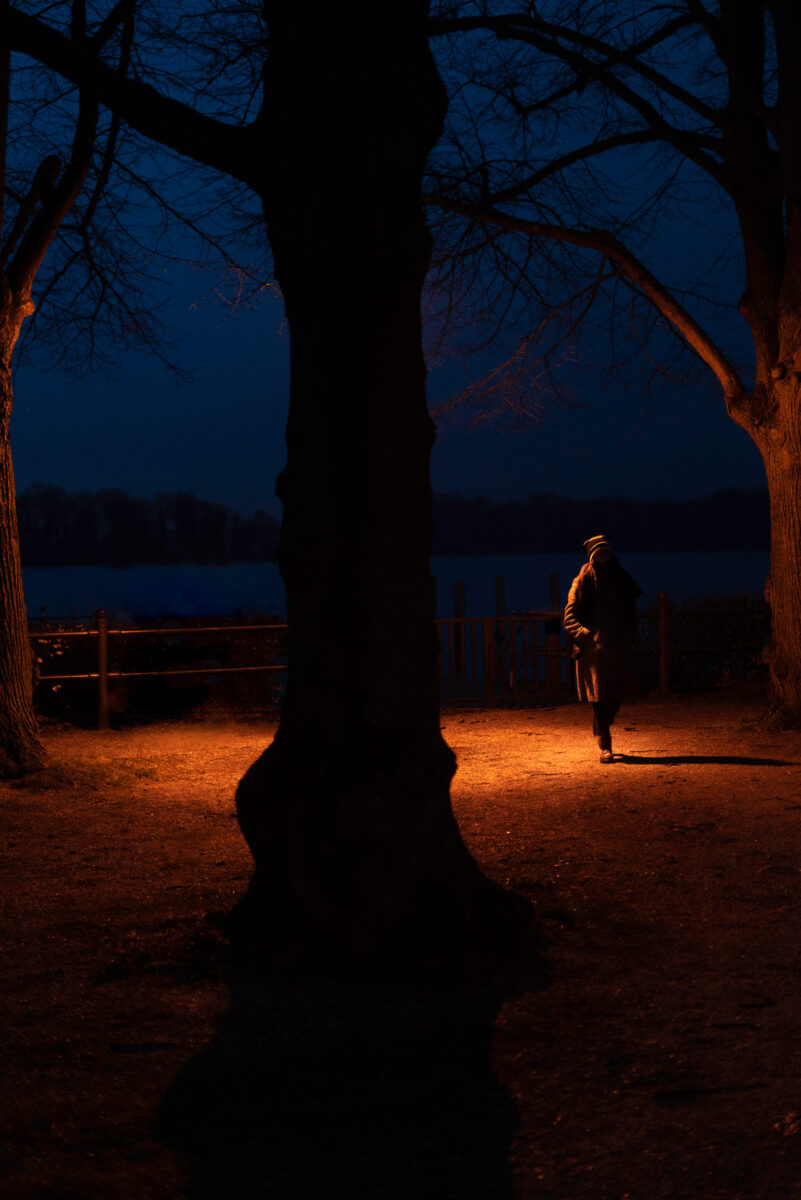
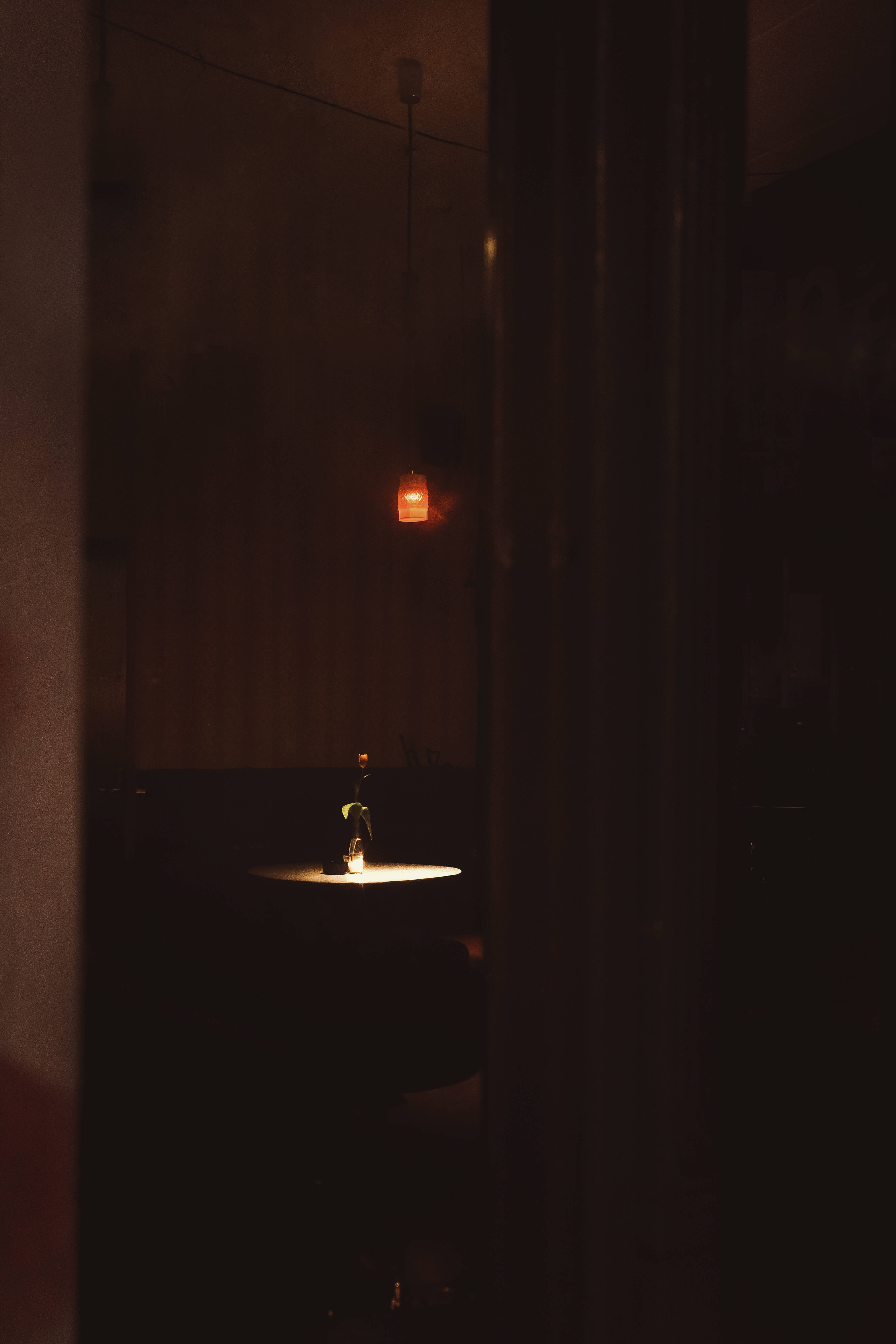
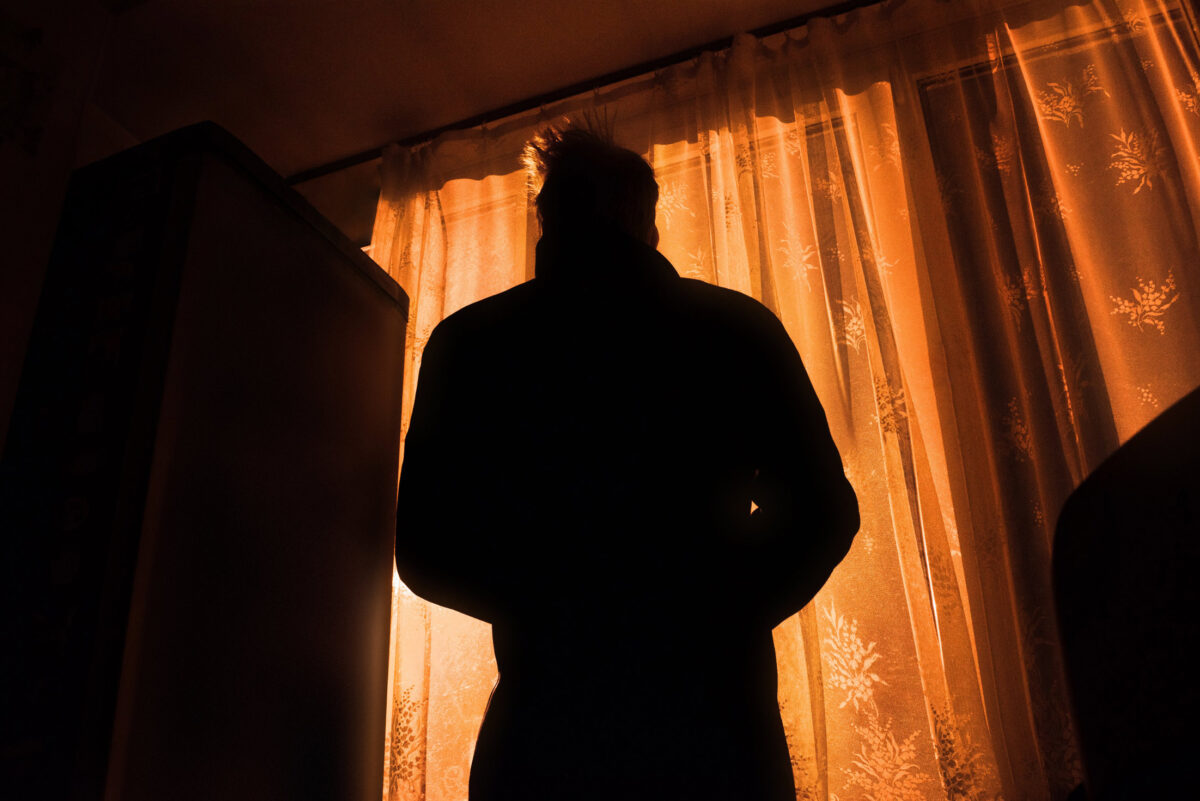
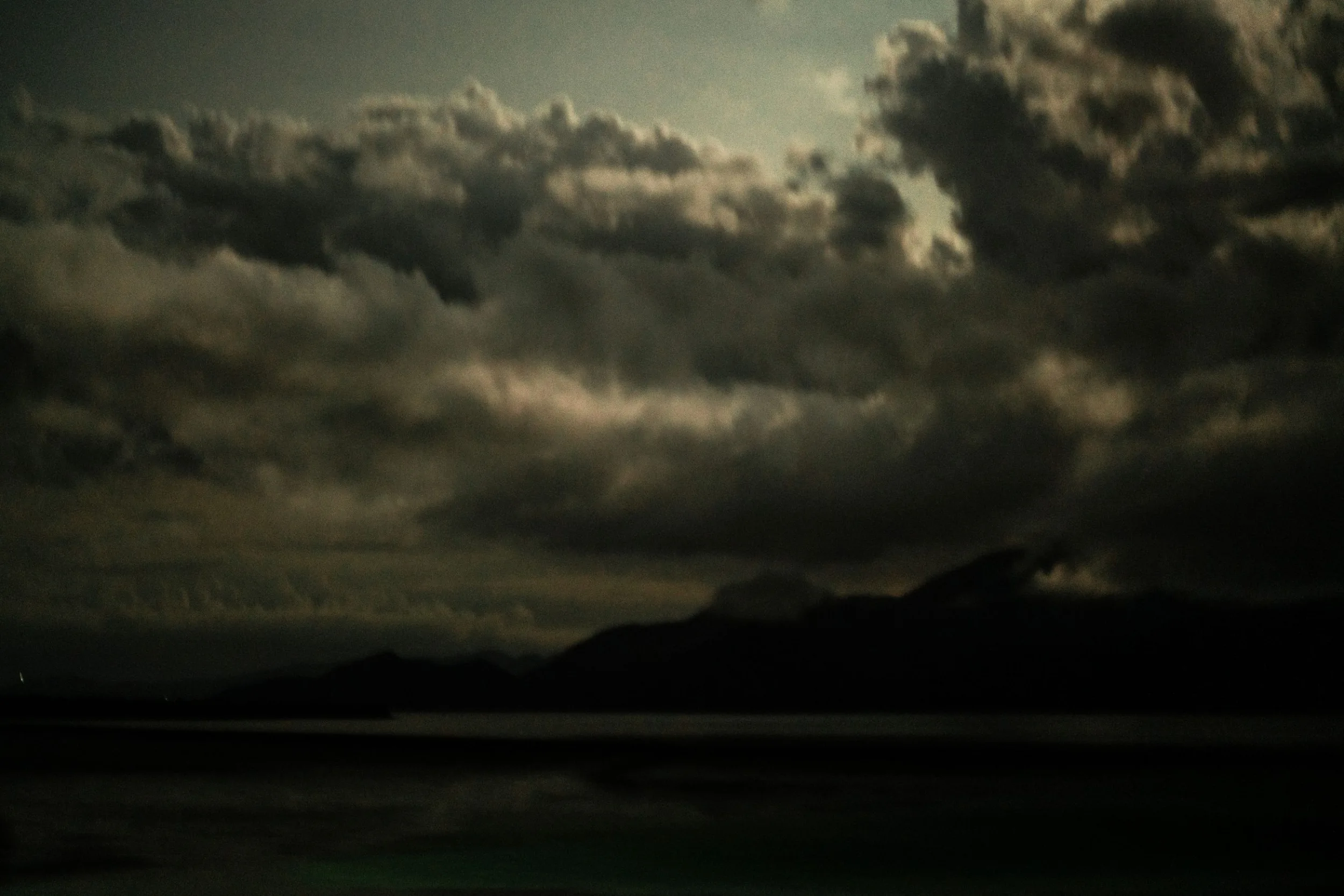
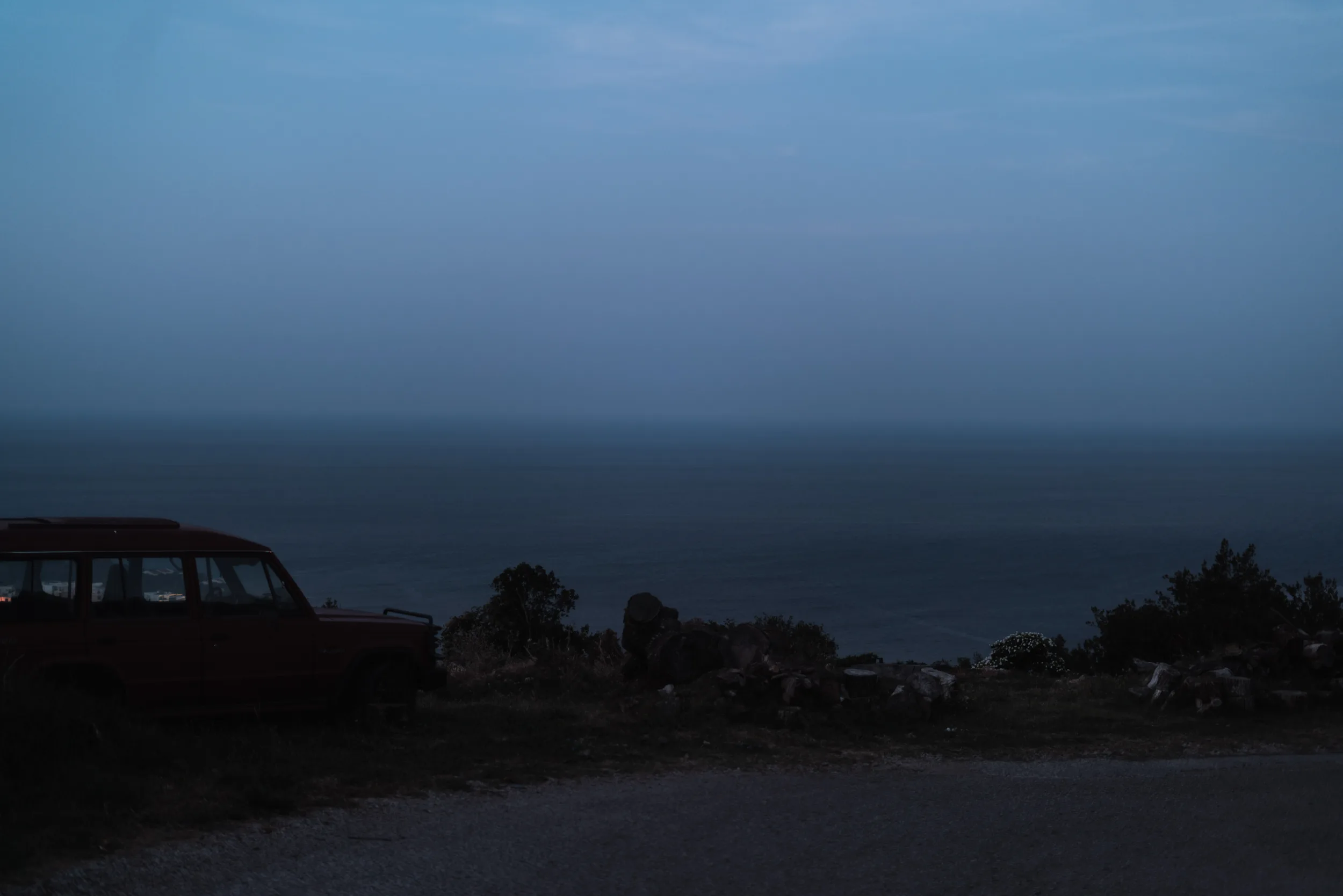
Here I’ve collected some of my low-key photography where most of the scene is absorbed by the darkness.
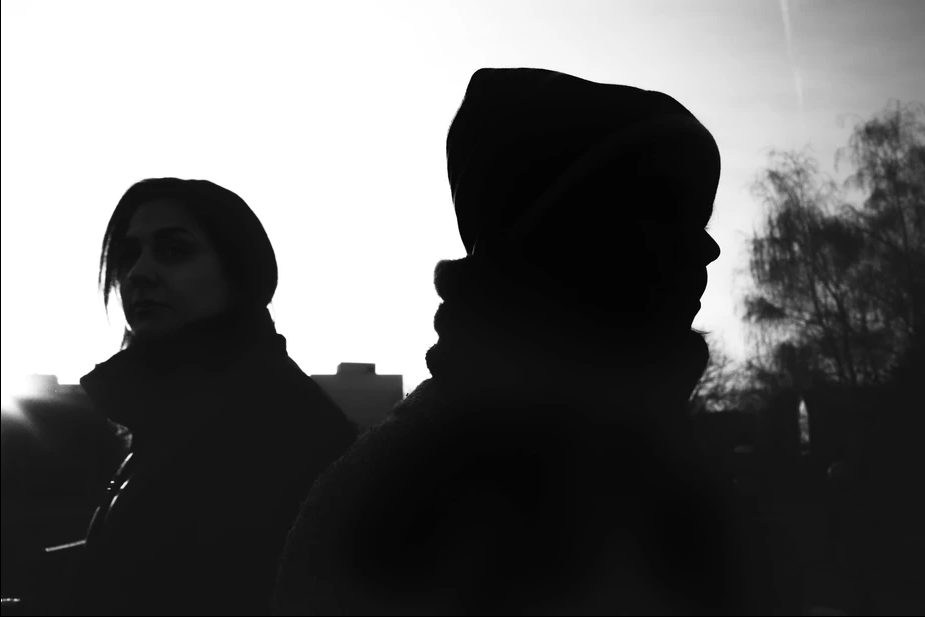
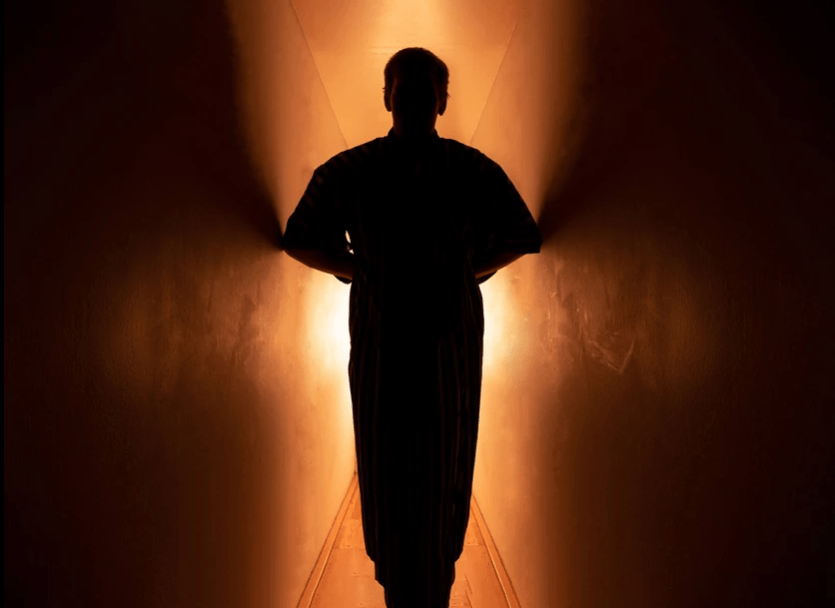
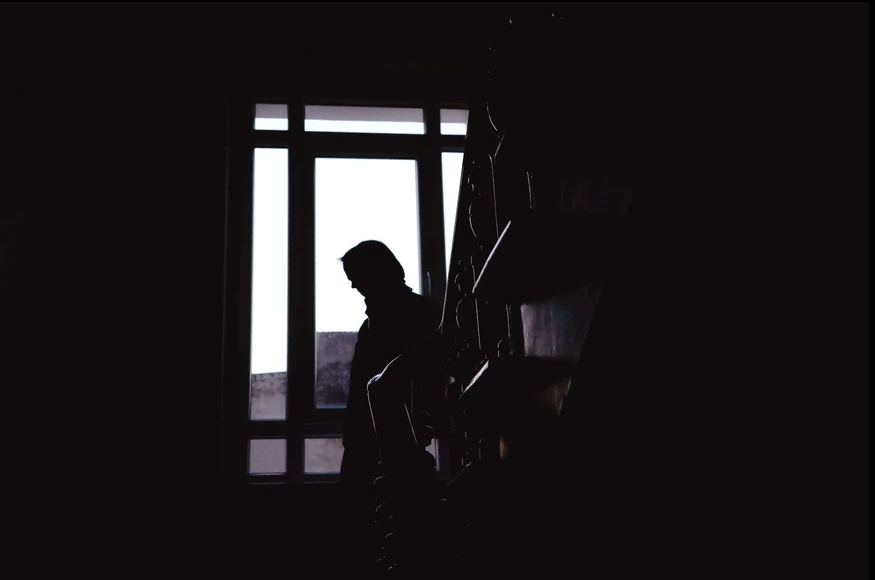
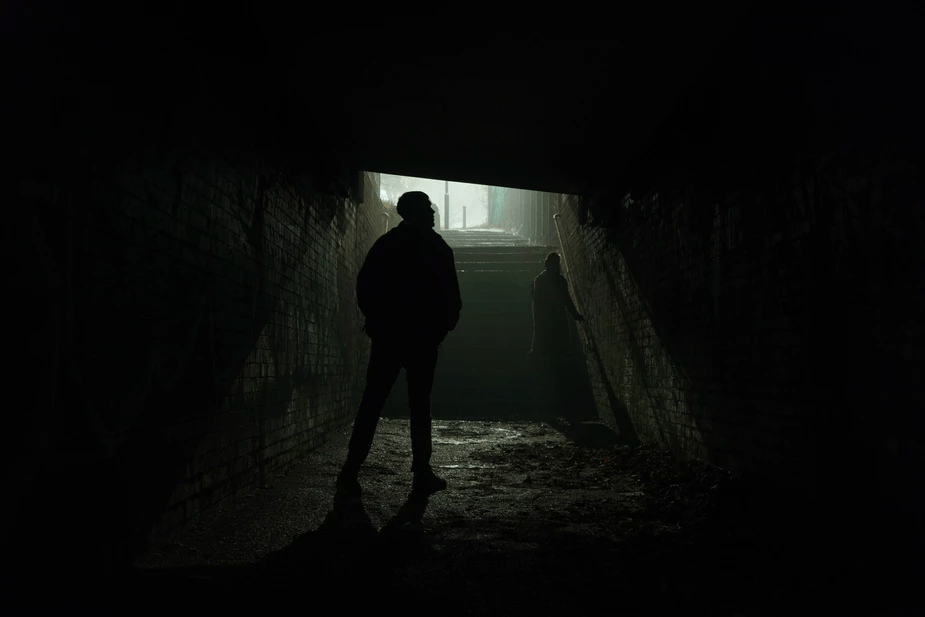
Low-key photography is a way to convey your idea
I want to encourage you to not try to use all of the dynamic range your camera has to offer and to try to shoot things objectively. There’s nothing bad in not having all these details in shadows since it’s your perception of the world, not a copy of it.
Allow the shadows to embrace the darkness. You will give the viewer the freedom to wonder when they’re looking at your photos. You’re leaving some space for mystery and of course, giving more visual power to the main subject over everything else. Try to let the darkness be a part of your subject and your composition and it will help you to get a better understanding of light in photography.
If you’d like to learn photography you can also check out this blog post:
Top 10 Ways To Improve Photography Skills. Learn Photography Faster
I hope you found this post helpful. If you did, please consider subscribing to my newsletter which will help you to improve your photo skills. In the newsletter, I send notifications about new posts and photography tutorials and sometimes updates about my photography projects.

Comments are closed.