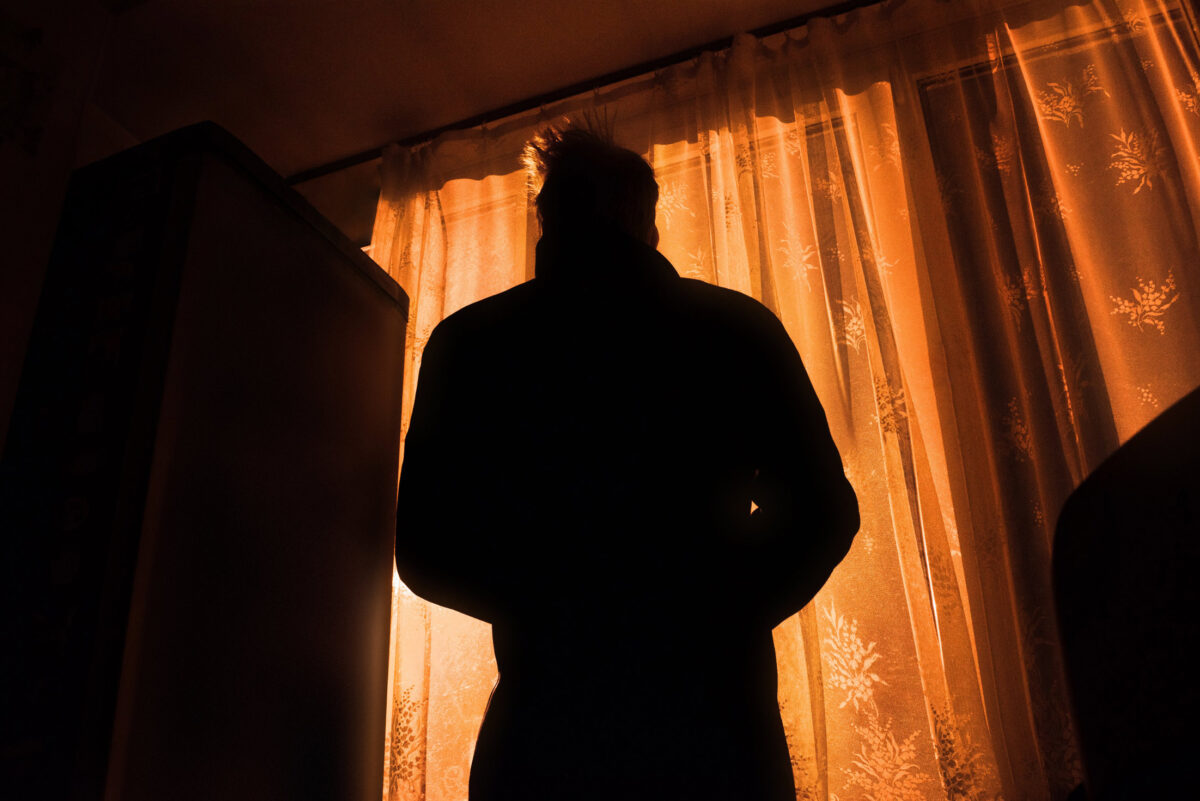
I spend a lot of time on social media, since it’s part of our job as photographers, and after seeing thousands of images I started noticing one thing: they rarely show emotion. I’ve seen plenty of surreal work, portraits in unusual locations, concept art, themed shoots, abstract and imperfect photography—often built around the same clichés, like a person on a chair half submerged in the sea. At first it catches the eye because it feels new, but the more you look, the more similar it all becomes. What they mostly share is an unusual location or concept, often with a dystopian look, but very little real emotion.
The photograph that expresses an emotion should not need to have a wall of text next to it explaining the context of it. Sometimes to come to a museum and many artworks there are abstract while having a very precise message; that’s when you need a big description of it and a little biography of an author. With this post I aim to explain how to make some of the photographs in a way that you could show them or look at them silently. Also something that ai and prompters will most probably never get!
I have been using Pinterest for self-promotion and also to check out more works by other photographers. It’s important to constantly improve our visual libraries since that it one of the ways to learn photography and art as a whole. So I pinned the photographs I thought of as good and some of them are truly inspiring. But more and more I pinned and looked through the feed, less of good works I started to notice.
Nowadays I pin more works that show feelings and emotions. Something that shows the spark of life. And I realised recently that this is a problem with my photography and my photographs as well. I think of technical aspects a lot and how to make a pretty picture but not what emotions I put into that.
How does photography express emotion?
Photography as well as other types of visual arts can express any mood and emotion. You don’t need to create an accurate representation of the world if you want to express feelings or emotions. Emotion in photography can be vague so a photograph can be imperfect too but you need to create a photo that will show the mood and resonate with people.
Why is emotion important in photography?
Emotion is that strong subconscious sensation that evokes in everyone. I believe that we photographers can and should use it if we want to create stronger photographs.
Approaches to Fine art photography
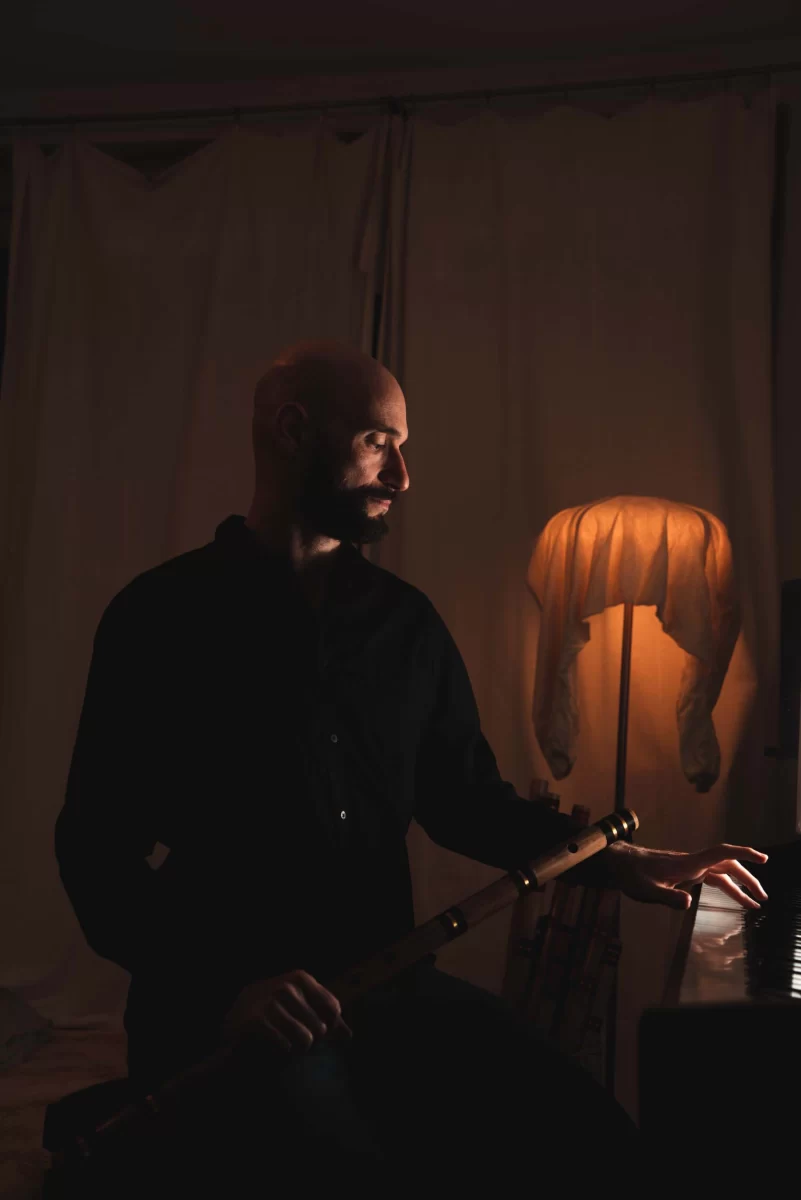
About 2 years ago I had this idea that if I invite a model and make up a concept or a story, we can create whole new worlds. It’s possible by carefully selecting the locations and background as well as colours. But a world may be beautiful yet usually is quite detached from the main parts of our lifes, emotions and feelings.
Your photographic world might be quite beautiful, but if it’s a photoshoot with a person, does it show that person’s feelings? These cardboard worlds, made using the photographic medium, can be interesting, like fantasy films (some of them are good, of course). They can be superficial, or described with that phrase I really dislike: “mind-blowing”. But there are films that touch something deeper. It’s different for everyone, but for me these are There Will Be Blood, The Taste of Cherry, the Three Colours trilogy, and many more.
On the other hand there are Christopher Nolan’s films that are visually inspiring but not that touching.
After photography appeared, painting became more abstract, since there was no reason anymore to document reality by painting it. It has shifted into also a more emotional and abstract space. In the case of photography, from the very early days abstract photography has existed for the purpose of showing emotions. It’s a nice photo, but what emotion does it convey, and can we really call it a strong one?
On the opposite side a candid shot from a party where I used faded colours and decided to not include other people in the frame. To me it works as a contextual contrast in a way where it’s a party but he looks alone there, fells like maybe it’s noisy for others but quiet for a person on the photograph.
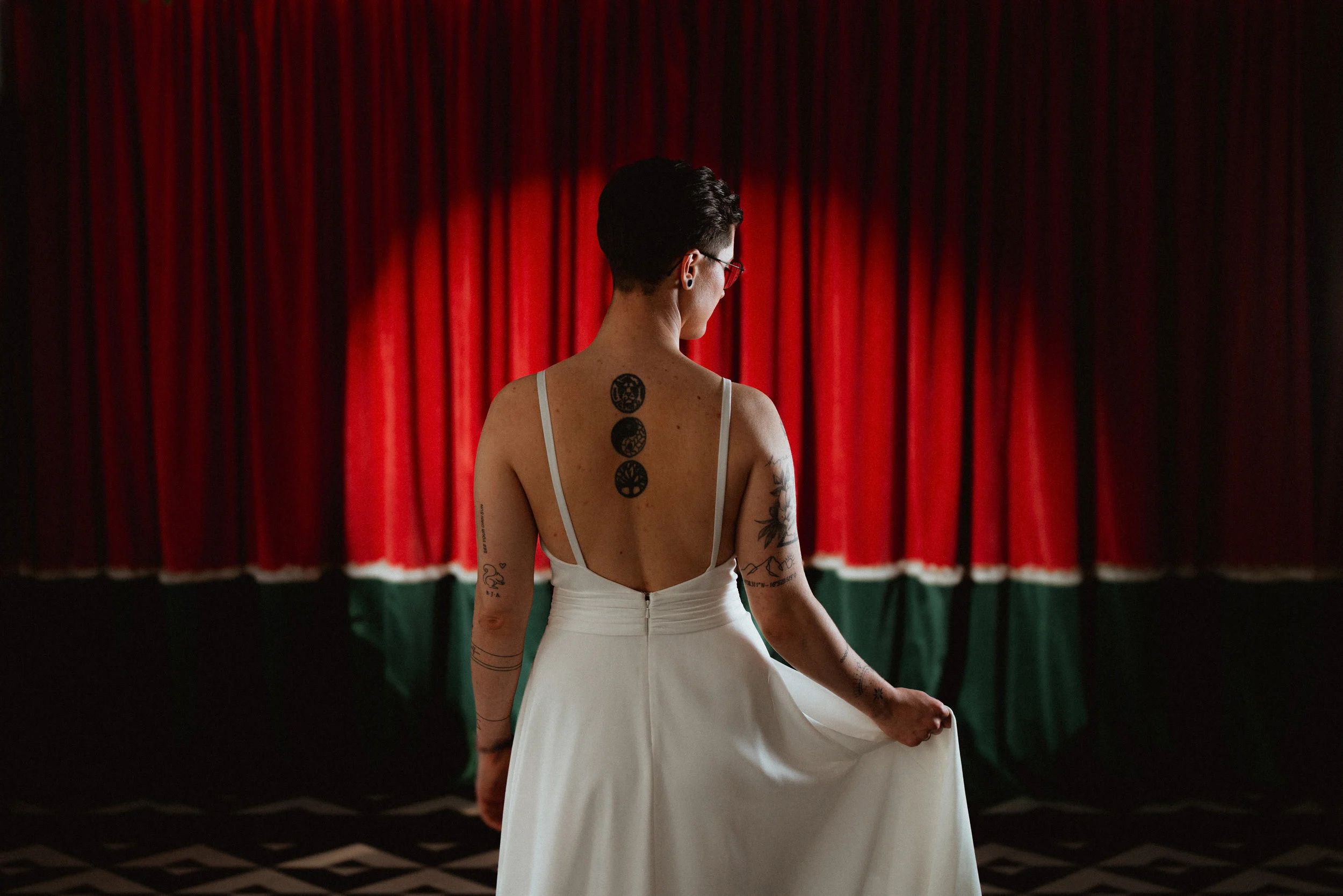
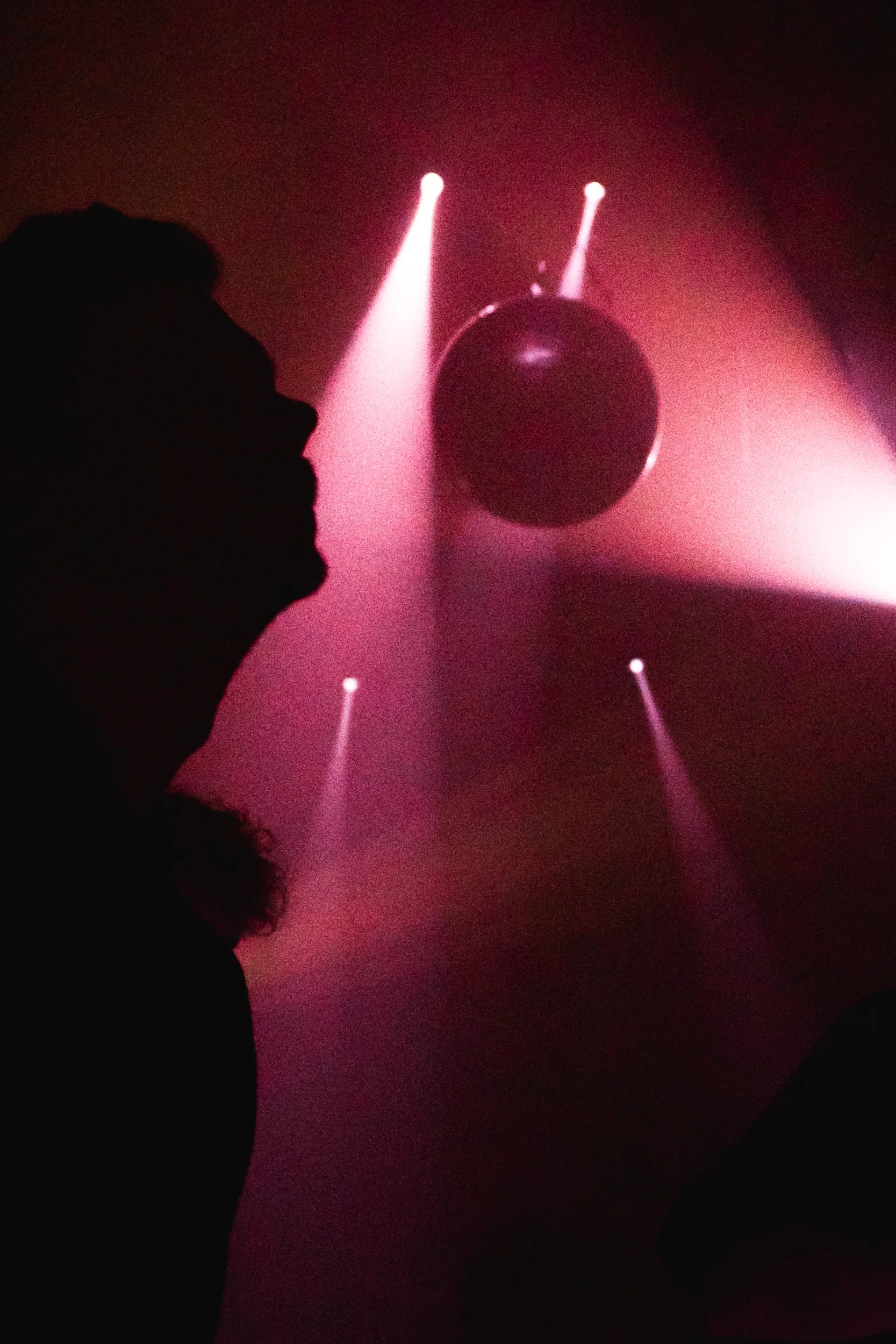
For these examples I deliberately choose similar photographs where on ones I focused on technical aspects and on others was simply going with the mood
What I often see on many photographs and especially in street photography is the amount of photos that are about a nice angle or a cool technique but these technical aspects seem to be something that actually distract from the main thing photography does. Photography is like a visual language and the more you can say through a photograph – the better.
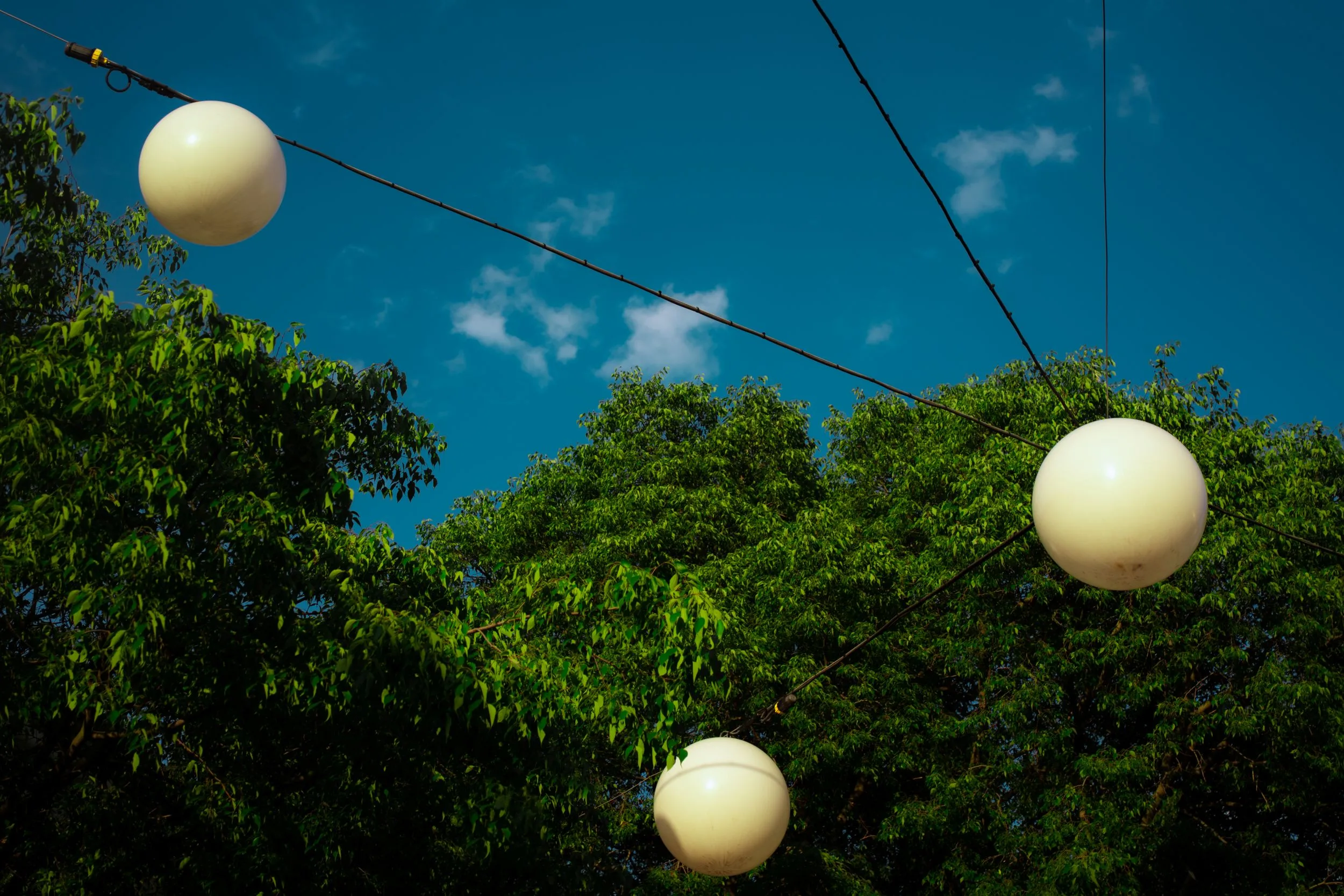
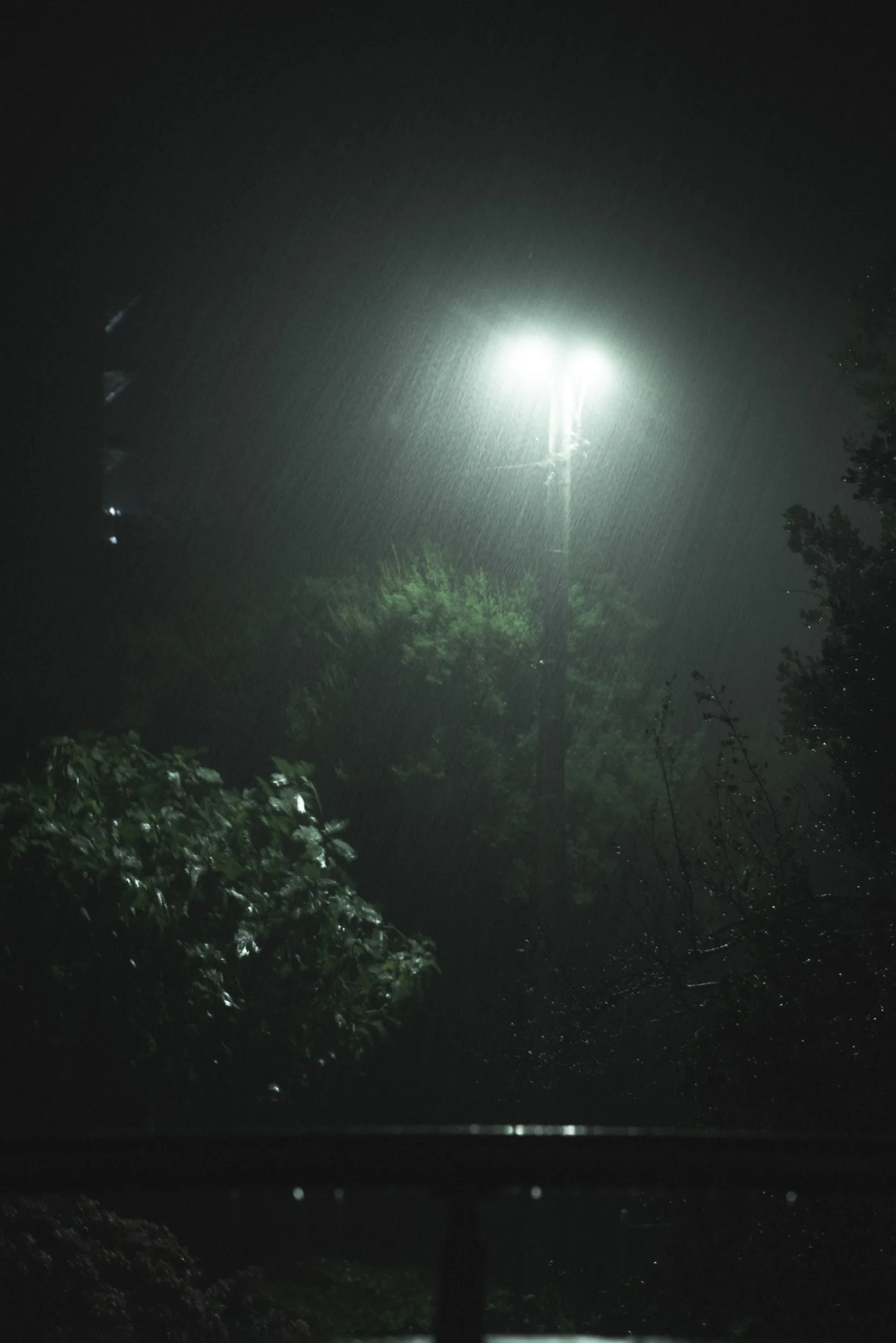
Main Principles To Capture An Emotionally Intentional Photograph
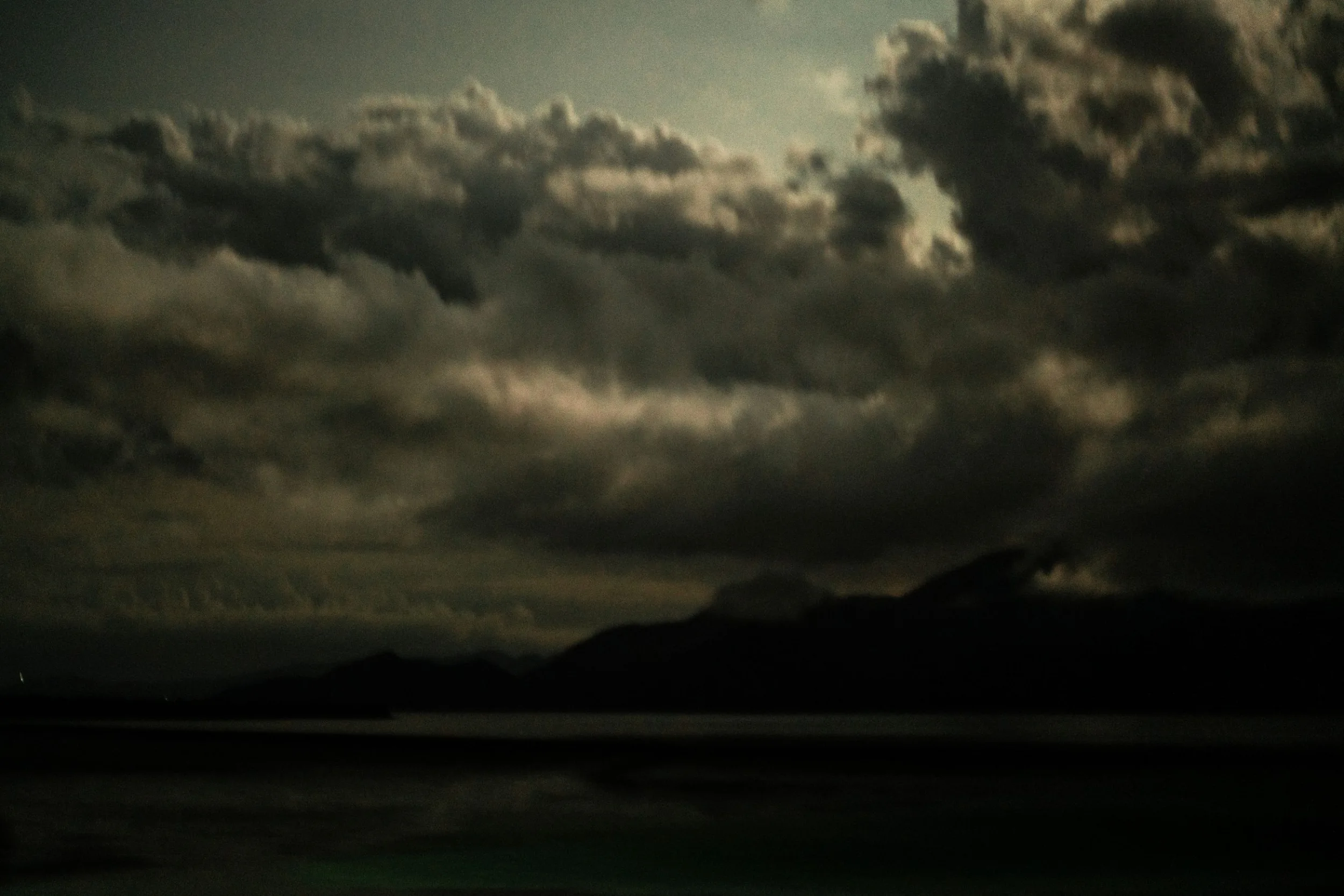
Now here we come to a harder part of this, emotions themselves. There are some of the tricks, that can help you, and that I will list in this section but you won’t be able to fake this kind of photography.
Emotional Intelligence
As you have probably noticed I do talk and express here rather more of a negative spectrum of emotions and there is a reason for it:
- People have 8 main emotions
- 2 of them are positive (interest, happiness)
- 6 are negative… yeah
- Positive emotions are less invormative
Fear of unknown or mystery, melancholia or anger are more complex feelings; and if your predecessors were every day talking about beautiful flowers in a field and deep blue sky we would have probably gone extinct long time ago.
Sorry I have to mention this but, as a typical male for the majority of my life I have had absolutely no idea how I feel. That’s very common in our everyday life and seems like we are getting around very comfortably in this oblivion, being completely unaware about our feelings. This has changed for me quite a bit over years of therapy, but even simply trying to pay attention to your state of emotions will help you a lot in both your life and specifically in showing emotions through photography.
Yes a lot of things in visual art such as photography too, you’re influenced a lot by seemingly completely unrelated things.
That’s actually the part of fine art photographer’s journey, that if you want to succeed and not in the way of getting more likes but in genuinely creating better and better art, you need to be more aware of your own feelings.
Simply having a walk and focusing on what you have lived though in the past week and intentionally searching for colours that shape this emotion or on narratives of the composition that help you either feel a complete comfort or distress.
Think about if your emotion is making you feel energised, make your body feel that you want to run, or maybe it’s almost like pushing on your chest. I’d say the most emotionally charged photographs I was getting when I was usually stripping off the context of emotions, trying to show just them through shapes or colours.
Let it be abstract and let it fade
Think of that this way: your landlord wants to get you to move out to raise rent since he wants a new self driving car or whatever, and you working hard without knowing if you will meet your needs. Your rent is maybe like 40% of your salary. This is unfair and you feel anger and maybe fear, and it’s normal. In this case you can either make a self portrait with a dramatic top down light and an angry face or you can shoot something like the one below.
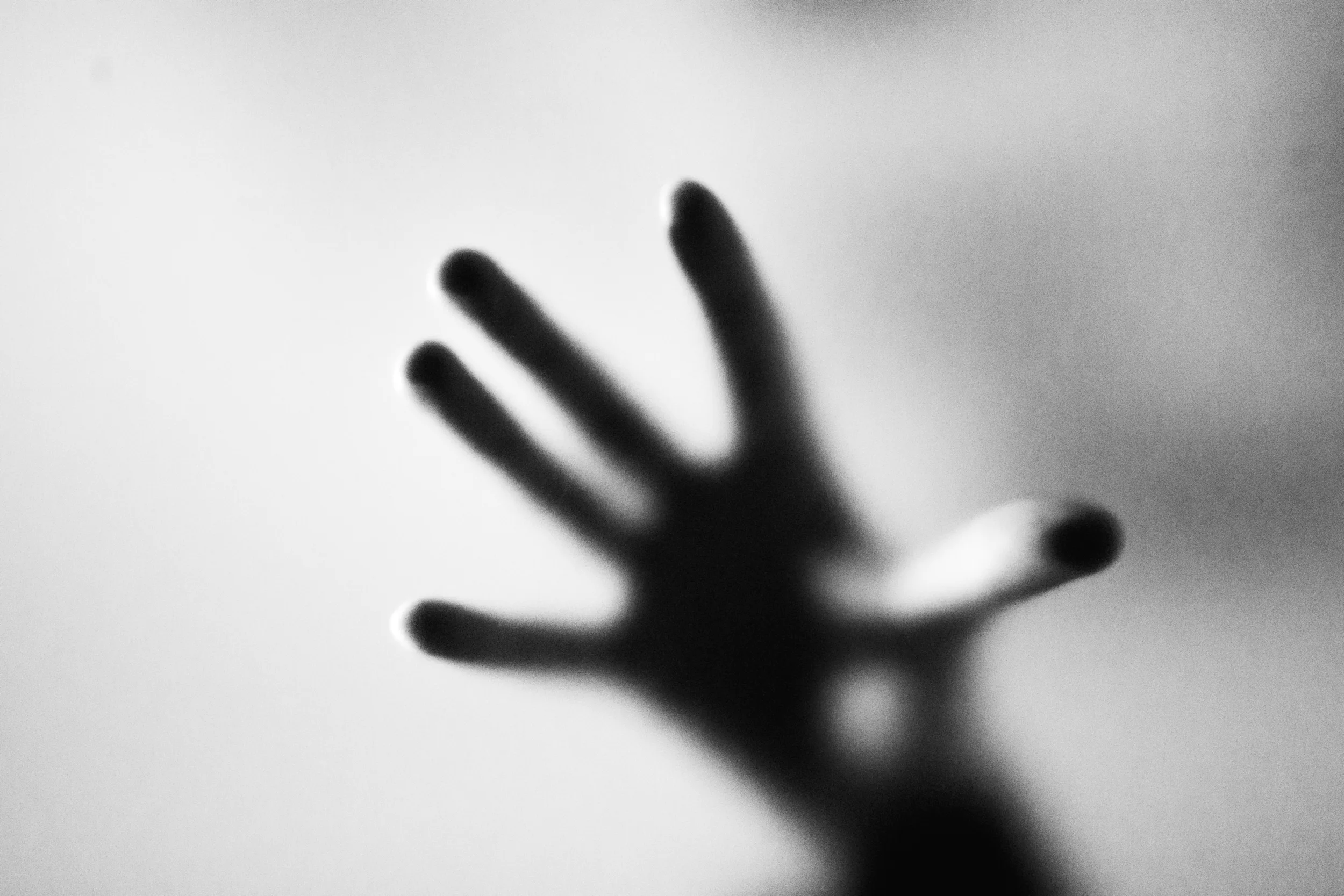
Conclusion: try to strip the context and get to photograph the emotion. Maybe blurred scenes, double exposures with scattered glass, or distort building (even with “liquify” if that helps your feeling)
Emotion and colour
This is almost the vital part as colours do convey emotions a lot. It’s almost literally incoded in our brains.
Film gives you of course a nice palette of colours and you can choose the suitable rolls, but that approach means you have to have that specific emotion beforehand. With digital photography, of course it comes more to editing. And here is where you have to be brave and deliberate about it.
To be deliberate I’d offer to read some books about colour; the one I’d recommend is “Secret Language of Color: Science, Nature, History, Culture, Beauty of Red, Orange, Yellow, Green, Blue, & Violet”
There are yet more materials on colours but I think almost everyone has a clear picture of what each colour represents. Though as you deeper your knowledge you may discover some hues that are suprising to you. Like I once discovered that some scenes with yellow hues may even feel sick (in a bad way) or scary and uncomfortable, while usually yellow and orange and warm cosy comforting colours.
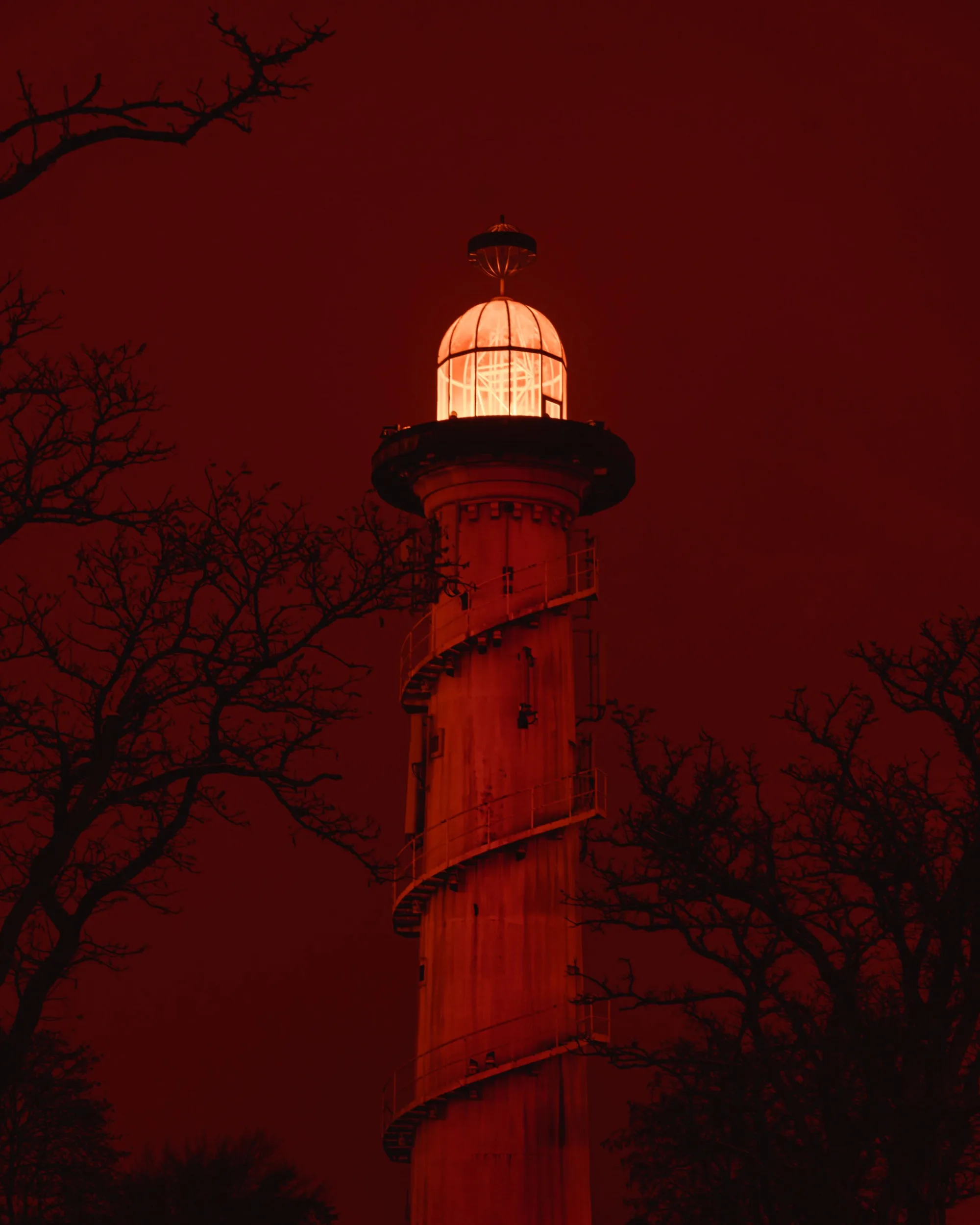
The main idea of this section that you need to have a deliberate one hue that is the major hue in your picture. That will not just make it stylised but also will connect it more to whatever you were feeling at the moment.
White balance is the one to use the most! Basically the simplest way to affect how a scene will look is to shift the temperature of course.
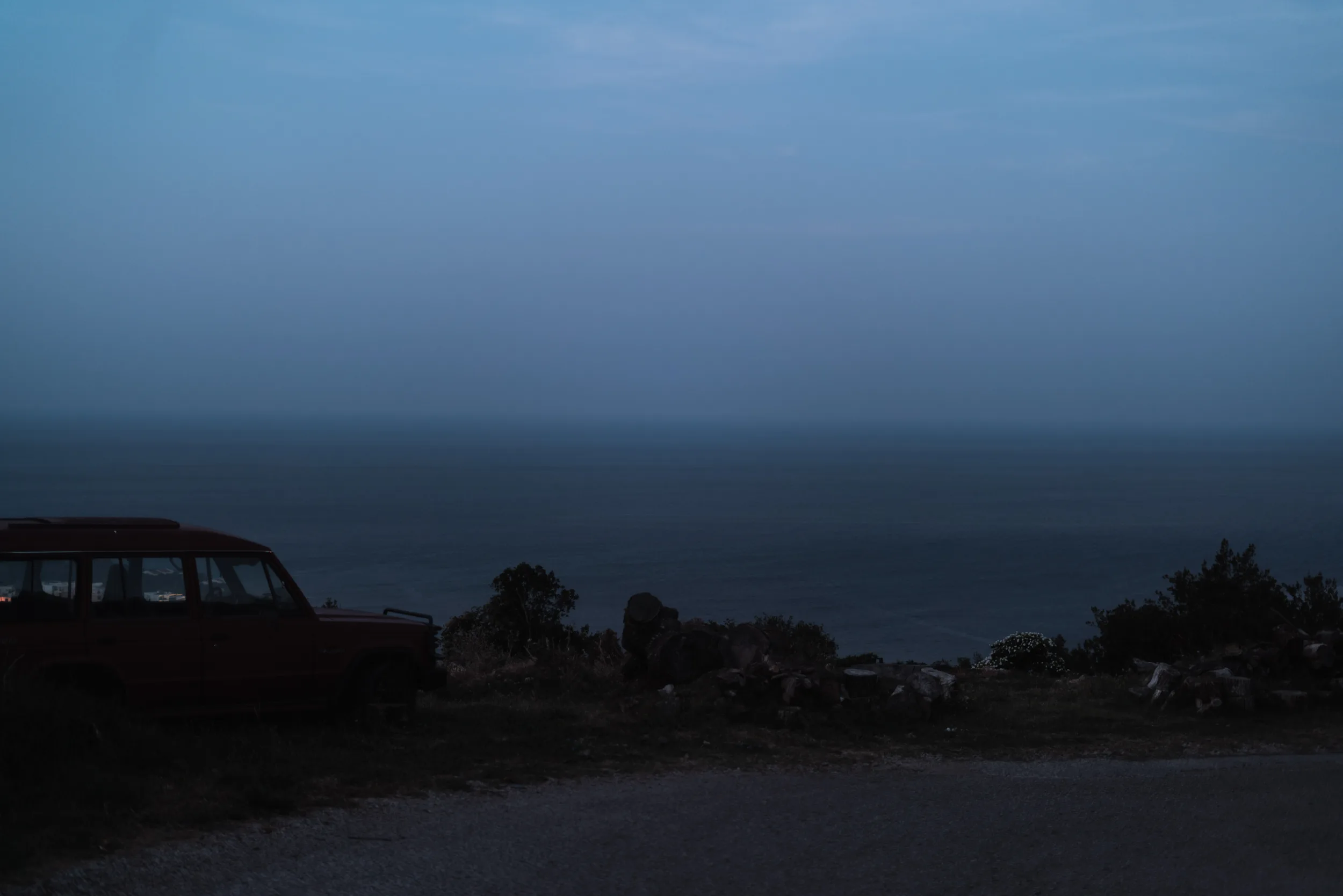
I personally prefer to shift colours but turn down saturation on most of them to make sure the saturation fits the feeling. Even over saturated colour of anger (red) may look like you are loosing the point.
Remove Unnecessary Clutter
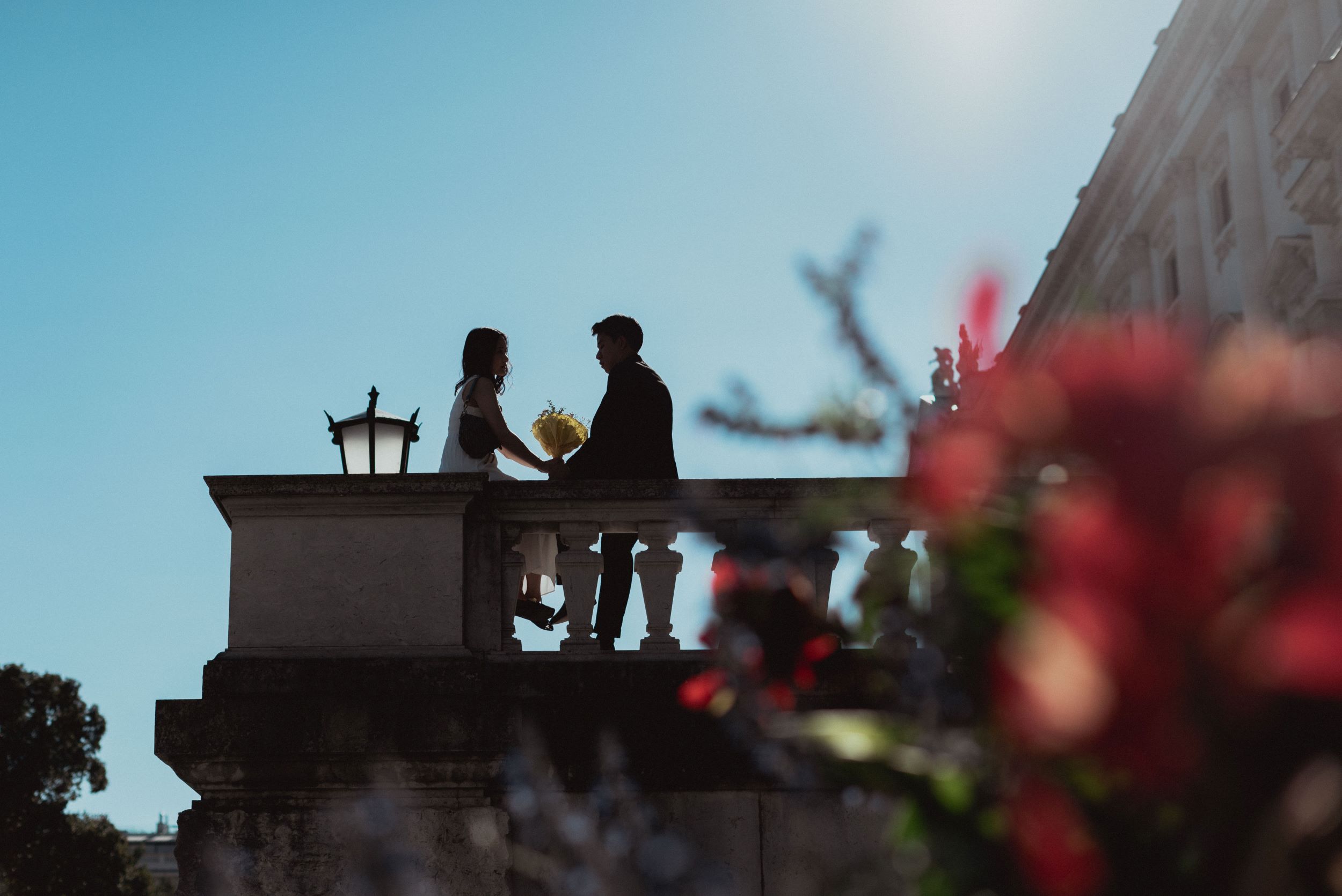
Feelings may be shown through a complete mess too, but in majority of cases still a good composition is a better choice. As I offered before to strip it down till there is just this emotion, which is your subject of the photograph, same I’d say for composition and clarity of the image.
Emotions are vague, so the easy way to push through and emotion is to make it a bit less clear. Except from simply abstract and blurred photography I’d mention some practical things:
- Turn down clarity (-30 or so will do the job)
- Pull the point of black a bit up but not too much
- Turn down the shadows
- Again: reduce number of colours (in hue variations shift particular hues towards each other; you want the main hue to dictate an emotion)
Reintroduce Details
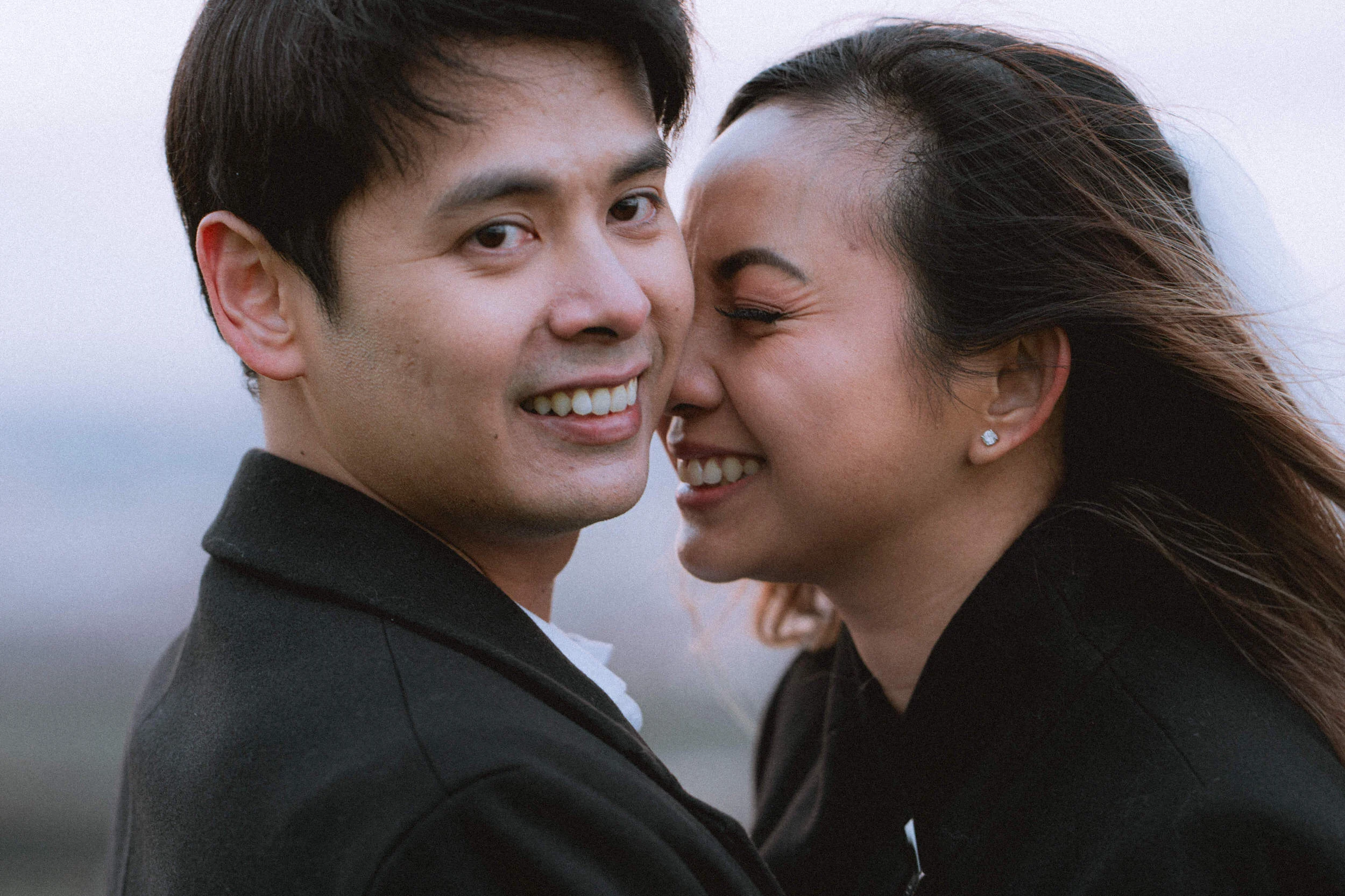
Now let’s imagine you have been practicing with it for a while. Then the more complex thing would be to capture people and combine the way you capture them with the way they look.
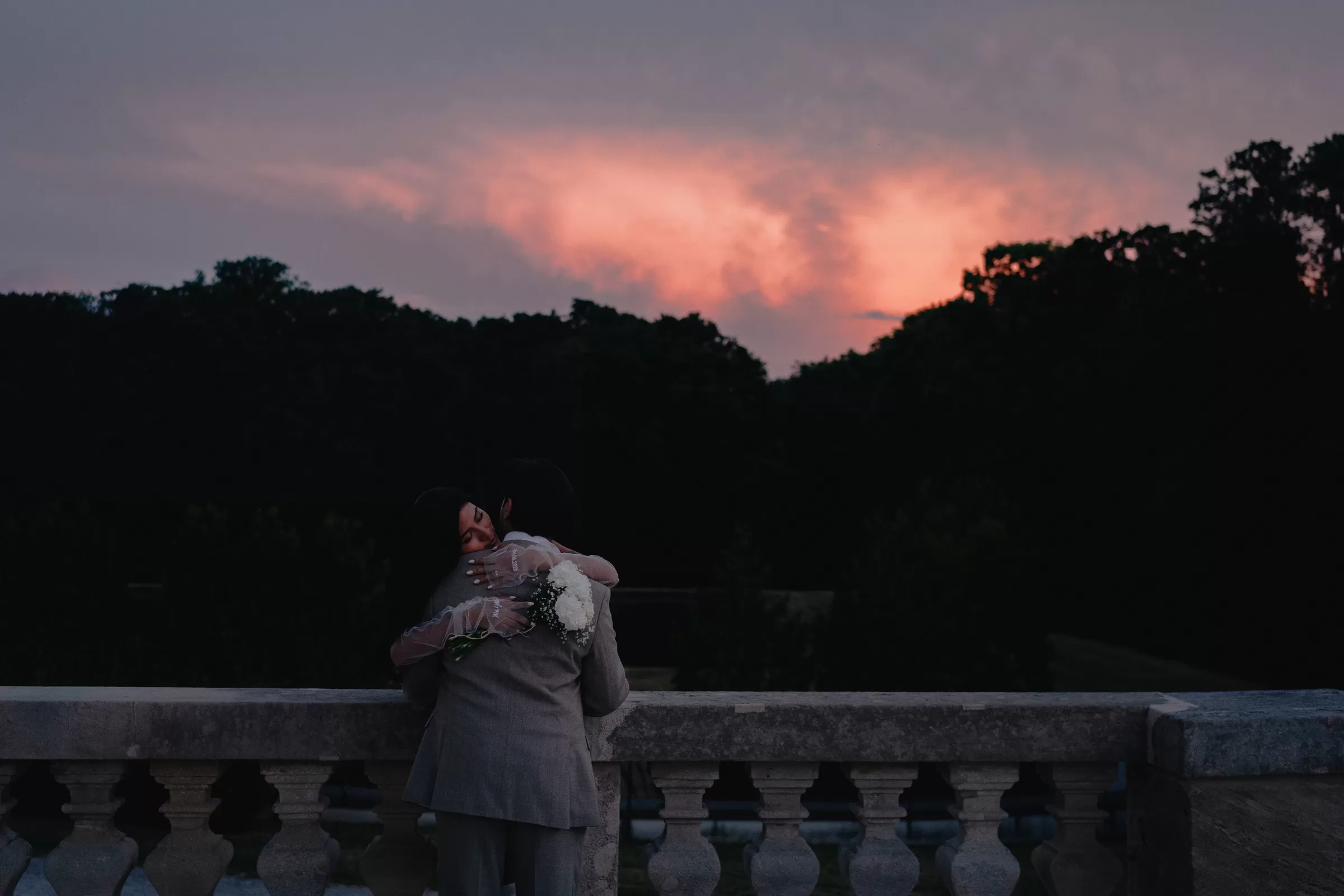
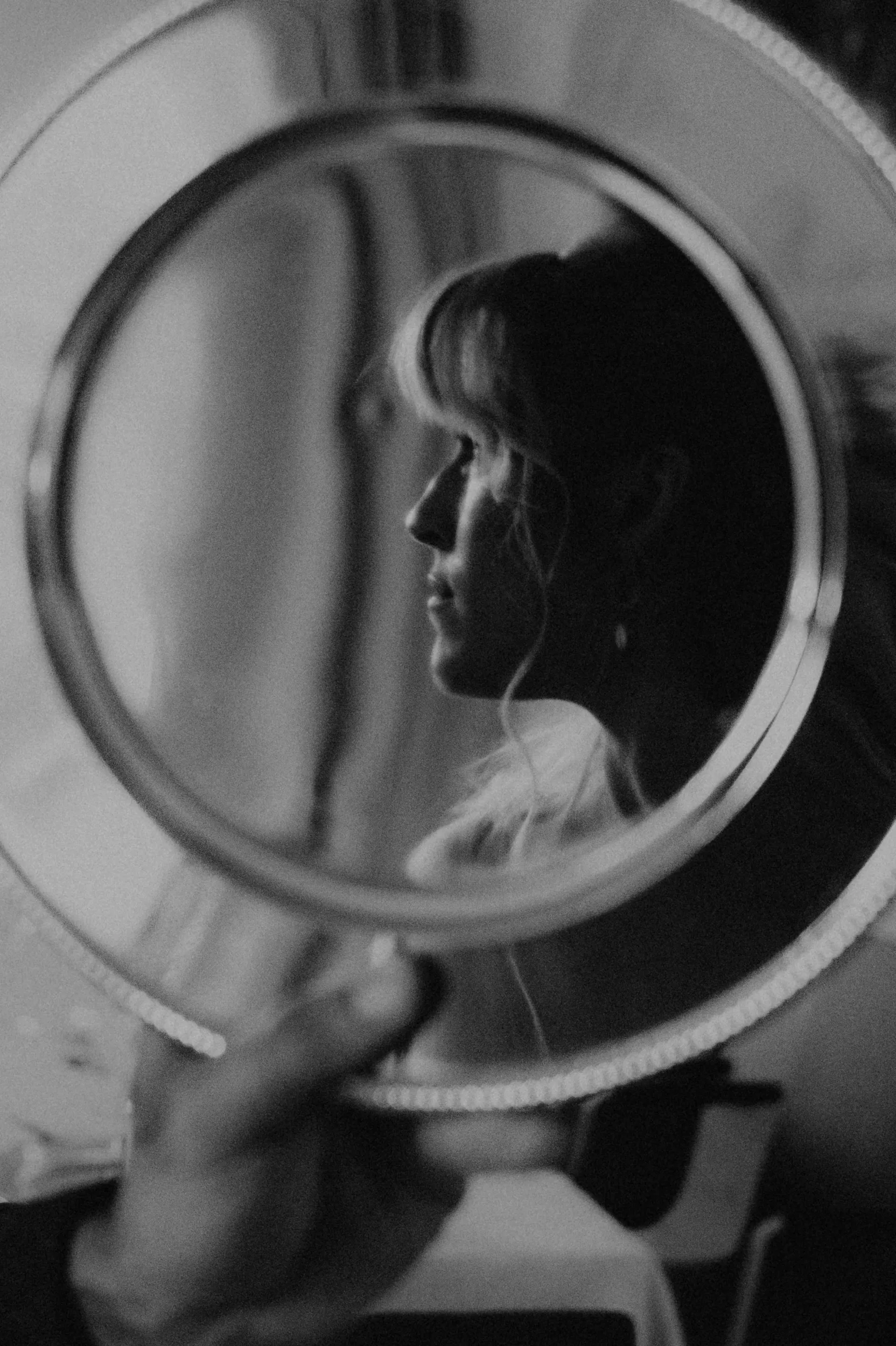
This is rather mostly about candid shots and not staged almost at all. As a portrait photographer I often dedicate myself to talking to a person I photograph and figure out any possible way to distract them from that I’m taking a photograph.
Depending on a person maybe you can ask them to look a bit away and describe the feeling they are having. What it feels like, what it’s colour in their head, what it makes them want to do? That approach often does help to get an actually genuine portrait rather than a staged image of a person.
Work in Series
Series help you to explore the feeling further and also get more attempts. You may even then delete all pictures but one. That one picture will be the one that brings these emotions to you. Series or photography projects will help you elevate the mood further and submerge yourself in it.
It’s going to be hard to capture that thing (emotion) in a single photograph and call it a day, but if you shoot 10 or 20 or 30 scenes with the same intent, you will certainly start getting there.
Photographing Emotion and Mood

Of course to capture some feeling you need to know how to do that and this is a super long journey. This is a matter of years of being in this state of mind when you try to see something beyond the routine.
For a couple of past years, I have been thinking that I’m moving in the direction of the mysterious atmosphere of my photographs and this is true. I have developed my style, although this style has a dead end (far not all feelings are low key, so photography should not rely solely on that style). Maybe at some point, I would push it further but they would stay being a representation of this mystery.
That’s why I don’t like 90% of surrealist photography. It makes your mind wonder what is happening there. But after seeing 200-400 pictures like that you get used to it.
At the same time, I don’t think you can get used to emotions and get bored of them.
To explore something that feels genuine but also slightly surrealist I’d recommend you to look into works of Masahisa Fukase
Try to catch the mood
You might have had this idea many times and I don’t think it’s new. All of our ideas are based on something.
But unfortunately I never really had this idea or was not ready for it. And I want to offer to go past this big amount of work when you try to get a stunning shot of a street on long exposure with light tracks from the cars straight to photographing the essence of life. Photographing emotions in photography. It’s hundreds of times harder than photographing buildings or landscapes, although these can include same narratives as I have been talking about.
When taking a camera in your hands and especially if you feel inspired try to listen to your feelings. Make a few sketches and try to show those feelings. It can be abstract, it can be a self-portrait or a shot with a crazy angle, series. Anything.
Create Emotion In Photography
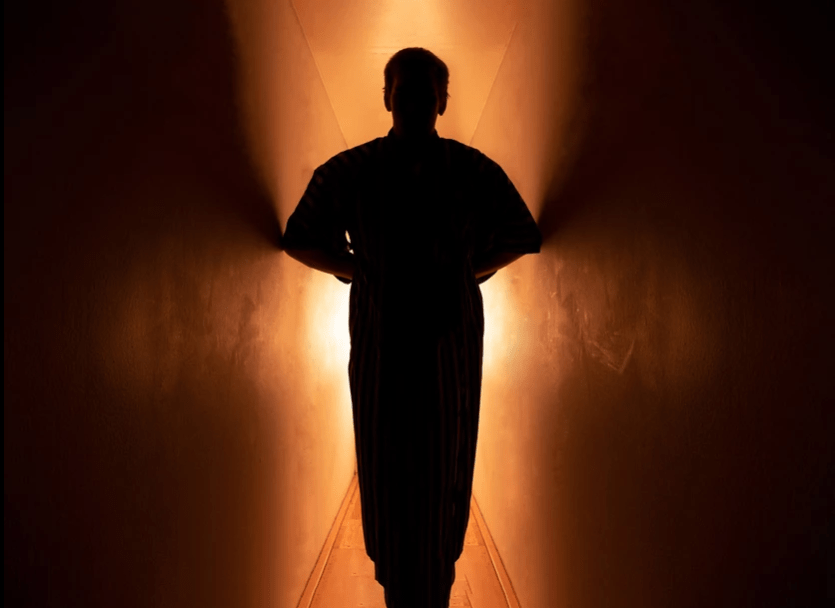
Dive deeper than you ever did in that abstract and meditative way. Show emotion in your photography. And if you manage to do that, please share some pictures with me too. Not for my blog’s sake, I would like to see them. I’m pretty sure deeper feelings are unimaginably powerful and beautiful and cost a lot more than these photographic rules about which I’m talking on and on in this blog.
If you are at the beginning of your photographic journey you can learn photography by checking out this blog post:
Top 10 Ways To Improve Photography Skills. Learn Photography Faster
Thank you very much for reading till the end! If you liked this post, please subscribe to my blog. That way you will greatly help me.
pin this post for later
Hover on your preferred image to see the red “Save it” button with a Pinterest logo. Clicking on it will open a new tab to pin this blog post to one of your boards.